
Breed Guide
Australian Shepherd
The athlete of the dog world — stunning, smart, and relentless
Size
Medium
Weight
18–32 kg
Lifespan
13-15 years
Origin
American West, 1800s
Did you know?Despite the name, Australian Shepherds were developed in the American West.
10/10
Exercise
10/10
Trainability
8/10
Kid-friendly
6/10
Grooming
Personality at a glance
How this breed rates across key traits.
Lower is better
Lower is better
Lower is better
What it's actually like to own one
Despite the name, Australian Shepherds were developed by American ranchers — and they became the gold standard of herding dogs worldwide. They're stunning to look at: merle coats, ice-blue eyes, boundless physical grace. But the looks are almost secondary to what's going on inside — these are among the most intelligent, driven, and emotionally tuned-in dogs you'll ever own.
Here's the honest part: Aussies are not a breed you can half-commit to. They need 90+ minutes of hard exercise daily and mental challenges on top of that. A bored Aussie will herd your children, remodel your garden, or develop anxiety that's genuinely difficult to walk back. They're also velcro dogs — deeply bonded to their person, sometimes to the point of separation anxiety. Get an Aussie and you're signing up for a full-time partnership, not a pet.
🎓 Training snapshot
Australian Shepherds pick up commands quickly — start basic training from week one and keep sessions short (5–10 mins). They respond best to positive reinforcement and treats.
Lifestyle match
Is a Australian Shepherd right for you?
You'll love it if
- Active owners who run, hike, or cycle daily
- Families with older kids who play hard
- Dog sport enthusiasts — agility, flyball, frisbee
- Rural or semi-rural properties with space
- Experienced owners who want a deep human-dog bond
Pause if
- Apartment or small home living — they need space to move
- First-time dog owners unprepared for the intensity
- Owners away from home more than 4–5 hours daily
- Families with very young toddlers — herding instinct is real
- Anyone wanting a laid-back companion dog
Life in Australia
What Australian owners need to know.
Heat Tolerance
Moderate — double coat helps insulate but watch for overheating in Dec–Jan. Always provide shade and water
Tick Risk
High on east coast — active outdoor dogs need tick prevention year-round, especially in bushland
Apartment Fit
Not suitable — this breed requires significant outdoor space and daily vigorous exercise
Monthly Cost
$220–$380 AUD including food, vet, grooming, and mental enrichment
Health watchouts
Common conditions to be aware of with this breed.
Hip & Elbow Dysplasia
Common in the breed — always ask breeder for OFA or PennHIP scores on both parents
MDR1 Gene Mutation
Makes some Aussies react badly to common drugs — test your dog before any medication
Collie Eye Anomaly
Inherited condition — request CAER eye certificate from breeder
Epilepsy
Idiopathic epilepsy occurs in the breed — ask about family history
Anxiety
Under-stimulated Aussies develop anxiety fast — daily enrichment is non-negotiable
Your first year together
Key milestones from day one.
Start structure immediately
Aussie pups are sponges — begin crate training, basic commands, and short focus sessions from day one
Socialise broadly and early
Expose to bikes, crowds, livestock, cars, and other dogs — gaps here create reactive adults
Channel the drive
Enrol in puppy obedience and introduce fetch/frisbee as structured outlets — herding instinct needs direction
Start a dog sport
Agility or advanced obedience is ideal — they peak mentally around 18 months and need a real job
What Australian Shepherds need
Vet-recommended picks sized for this breed.
We may earn a small commission on purchases at no extra cost to you.

Advanced Puzzle Toy — Level 3
Aussies solve standard puzzles in minutes. Level 3 difficulty keeps their brain genuinely busy between exercise sessions.

Hill's Science Diet Medium Breed Adult
Balanced nutrition for an active medium-to-large dog. Supports lean muscle and joint health for a breed that moves hard every single day.
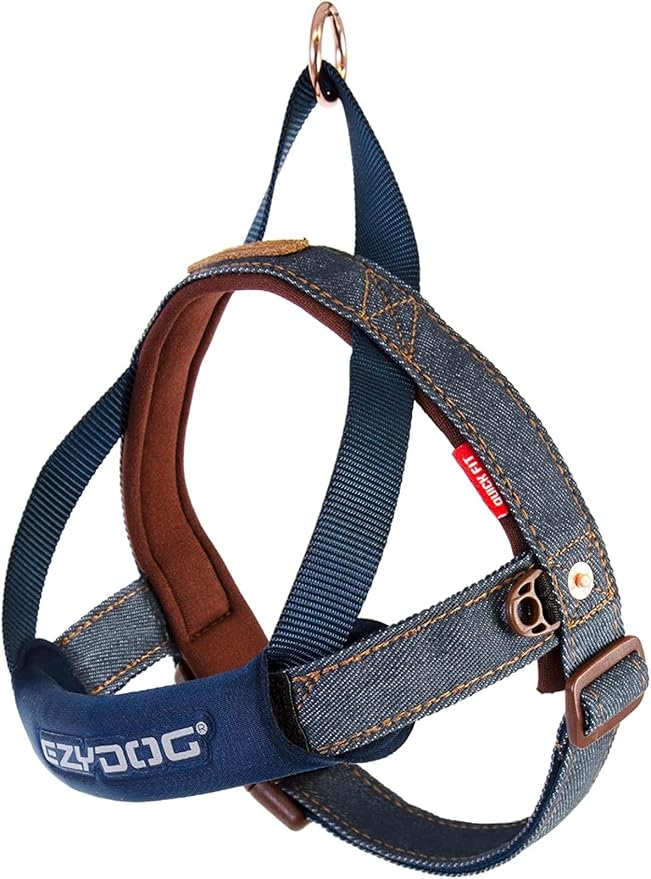
No-Pull Dog Harness — Medium/Large
Aussies have strong drive and can pull hard on leash before training is solid. A no-pull harness gives you control without putting pressure on the neck.
Personalised for your dog
Start your Australian Shepherd roadmap
A week-by-week guide tailored to your dog's breed, age, and life stage.
Build my Australian Shepherd roadmap →