
How to Crate Train a Puppy — The Step-by-Step Australian Guide
Done right, a crate becomes your puppy's favourite safe space in under 2 weeks. Here's the method that works.
Introduce the crate in 7 gradual steps over 2 weeks — never force your puppy in, only use positive rewards
Puppies can hold their bladder for roughly their age in months plus one hour — never exceed this in the crate
Never use the crate as punishment — it must remain a rewarding, positive space or the whole system breaks down
Affiliate Disclosure: As an Amazon Associate I earn from qualifying purchases. Product links on this page go to Amazon AU. Prices shown are approximate — check Amazon for current pricing.
- 🏠Dogs are den animals — crates mimic natural instinct
- ⏱️2 weeks to a crate-loving puppy with consistency
- 🚫Never use as punishment — ruins the whole association
- 📏Size: stand, turn, lie down — no bigger
- 🌙Overnight dryness: 4–5 months for most puppies
Crate training is one of the most misunderstood training tools in Australia. Many owners hear "crate" and think punishment. It's the opposite. When done right, a crate becomes your puppy's den — a place they choose to go, that makes toilet training faster and gives your dog a space they genuinely own.
for a puppy to genuinely love their crate with consistent positive reinforcement
toilet training speed in crate-trained puppies vs puppies with unsupervised indoor access
when most puppies can hold their bladder overnight without needing a toilet break
Why Crate Training Works
Crate size matters — not too big
Big enough for your puppy to stand, turn around, and lie down comfortably. No bigger. If the crate is too large, your puppy will toilet in one corner and sleep in another. Use a divider panel (most quality crates include them) to resize as your puppy grows.
The 7-Step Introduction Process
One step per 1–2 days — never rush ahead if your puppy is uncertain
Days 1–2: Leave the door open, let them explore
Place the crate in the main living area with the door propped open. Drop treats inside near and just inside the entrance. Let your puppy explore at their own pace — don't push them in. Goal: your puppy approaches voluntarily and shows curiosity.
Days 2–3: Feed meals inside the crate
Move meal times to inside the crate with the door open. Your puppy learns: crate = food appears here = this is a great place. This builds positive association faster than any other technique.
Days 3–4: Close the door briefly while eating
While your puppy is eating, quietly close the door. Open it the moment they finish. Repeat 5–10 times across this phase. Goal: your puppy learns the door closes and nothing frightening happens.
Days 4–5: Extend time with the door closed
Close the door and wait 10–30 seconds before opening. Gradually extend to 2–3 minutes. Give a stuffed KONG or snuffle mat inside to occupy them. Always wait for calm before opening — never open to barking or scratching.
Days 5–7: Add the command word
Start saying "crate" or "kennel" as your puppy walks in. Reward immediately upon entry. Your puppy learns the cue word predicts rewards. Within a few days, saying "crate" should prompt them to walk toward it.
Days 7–10: Build duration to 20–30 minutes
Increase closed-door time gradually — add 5 minutes every few sessions. Give a stuffed KONG or frozen treat to occupy them. Stay in the room at first, then move to different areas. Return before they get upset.
Days 10–14: Leave the room and building up to 1 hour
Once your puppy is calm for 20+ minutes, step outside the room briefly. Return. Gradually extend your absence. By day 14, a settled puppy should be comfortable for 1 hour — enough for short outings.

MidWest iCrate with Divider Panel
The standard crate for Australian puppy owners — collapsible steel with a divider panel to resize as your puppy grows. Easy to clean, powder-coated, multiple sizes from small to extra-large.
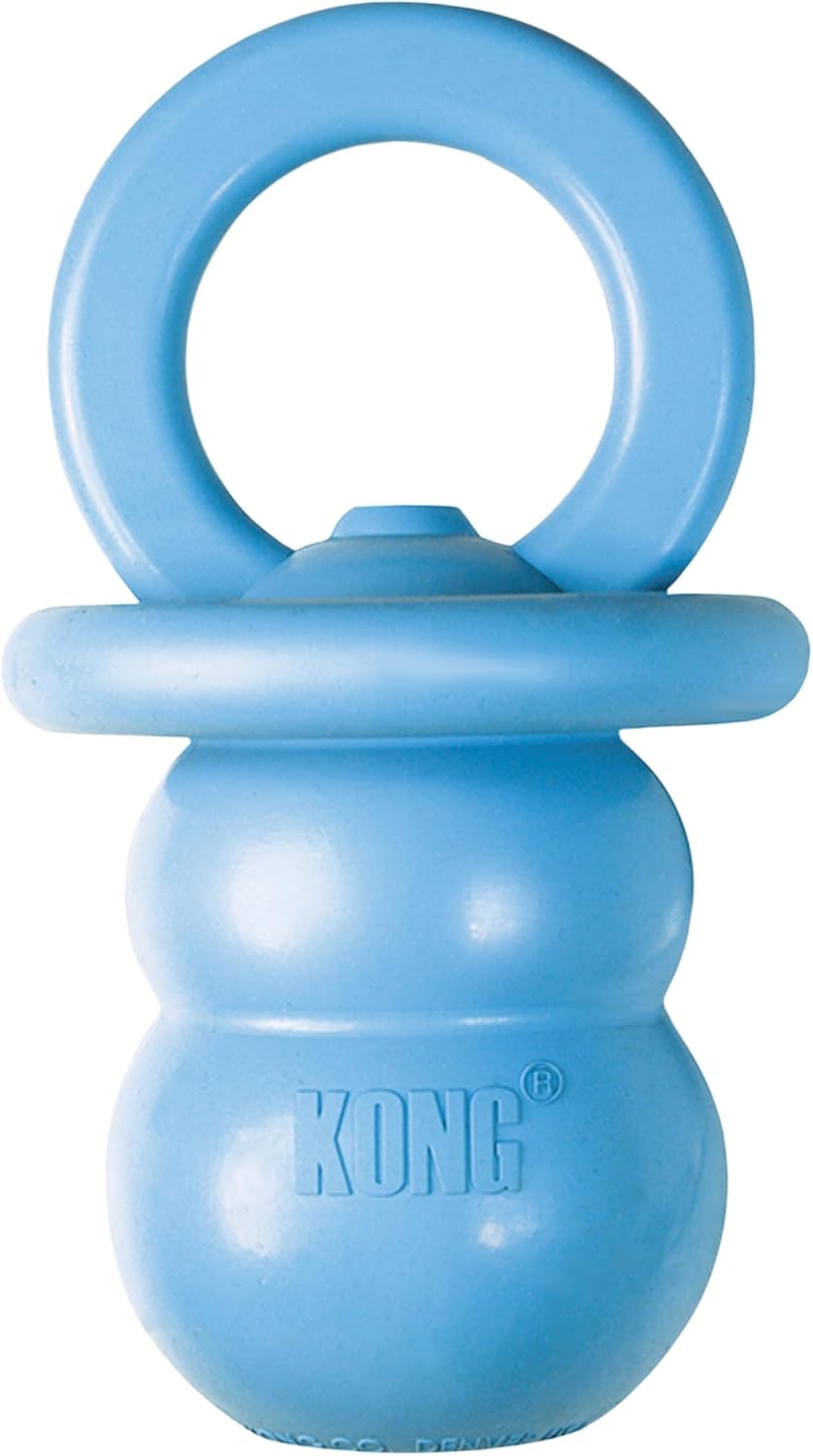
KONG Classic Dog Toy (Puppy Size)
Stuff with wet food, peanut butter, or kibble and freeze. Provides 20–30 minutes of occupation inside the crate, making positive associations while building crate duration. The single best crate training tool.
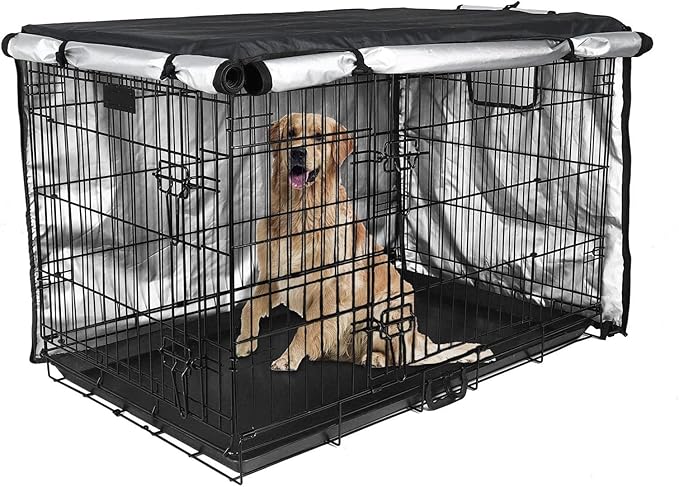
Crate Cover (Privacy Cover)
Drapes over the crate to reduce visual stimulation and create a den-like feel. Especially useful for anxious puppies and those in busy households with children or other pets.
How Long Can Puppies Stay in the Crate?
| Age | Max crate time (daytime) | Night time | Note |
|---|---|---|---|
| 8–12 weeks | 2–3 hours | 2–3 hours between toilet breaks | Very frequent outdoor access essential |
| 12–16 weeks | 3–4 hours | 3–4 hours before a toilet break | Still frequent — expect accidents if exceeded |
| 4–6 months | 4–5 hours | Often 1 night toilet break needed | Bladder control improving significantly |
| 6–12 months | 5–6 hours | Often dry through the night | Mental enrichment needed for longer periods |
| 12+ months | Up to 8 hours | Dry through the night | Adult capacity — with exercise before/after |
Exceeding bladder limits destroys crate training
Forcing a puppy to soil their crate teaches them that the crate is a toilet — the exact opposite of crate training goals. If you work full-time, hire a dog walker or use puppy daycare until your puppy is at least 5–6 months old. This is not optional.
Critical Mistakes That Ruin Crate Training
Overnight Crate Training
Place the crate in your bedroom initially — your scent and presence reduce anxiety significantly. When your puppy whines to toilet at night, respond promptly, take them to their toilet spot, then return them to the crate immediately. No play, no interaction — toilet and back to bed. Gradually, as bladder control develops around 4–5 months, the overnight trips reduce to none.