Step-by-step course
First 30 Days With a New Puppy — Complete Checklist
Everything you need to do in the first month, week by week — from vet visits to sleep training.
3 chapters, 8 min read
Before you start
In short
- Book your first vet visit within 48 hours — establish baseline health before anything becomes a pre-existing condition
- The first 3 nights are the hardest. A crate next to your bed makes a dramatic difference to overnight crying.
- Socialisation before 16 weeks shapes your dog's personality for life — prioritise it over obedience training
The first 30 days with a new puppy are exhausting, overwhelming, and one of the best things you'll ever do. They're also critical — the habits, routines, and experiences your puppy has in these weeks form the foundation of who they'll be for the next 10–15 years.
01
What to Have Ready Before Your Puppy Arrives
Affiliate Disclosure: As an Amazon Associate I earn from qualifying purchases. Product links on this page go to Amazon AU. Prices shown are approximate, check Amazon for current pricing.
Crate (wire or plastic)
- Priority
- Essential
- Approx. Cost (AUD)
- $60–$150
Crate bedding + cover
- Priority
- Essential
- Approx. Cost (AUD)
- $30–$60
Food and water bowls
- Priority
- Essential
- Approx. Cost (AUD)
- $15–$40
Puppy food (same brand as breeder)
- Priority
- Essential
- Approx. Cost (AUD)
- $25–$60
Collar + ID tag
- Priority
- Essential
- Approx. Cost (AUD)
- $20–$40
Lead (1.2m standard)
- Priority
- Essential
- Approx. Cost (AUD)
- $15–$35
Puppy pads (for overnight)
- Priority
- Recommended
- Approx. Cost (AUD)
- $20–$40
Chew toys (variety)
- Priority
- Essential
- Approx. Cost (AUD)
- $30–$60
Enzymatic cleaner
- Priority
- Essential
- Approx. Cost (AUD)
- $15–$30
Puppy gate/playpen
- Priority
- Recommended
- Approx. Cost (AUD)
- $50–$120
| Item | Priority | Approx. Cost (AUD) |
|---|---|---|
| Crate (wire or plastic) | Essential | $60–$150 |
| Crate bedding + cover | Essential | $30–$60 |
| Food and water bowls | Essential | $15–$40 |
| Puppy food (same brand as breeder) | Essential | $25–$60 |
| Collar + ID tag | Essential | $20–$40 |
| Lead (1.2m standard) | Essential | $15–$35 |
| Puppy pads (for overnight) | Recommended | $20–$40 |
| Chew toys (variety) | Essential | $30–$60 |
| Enzymatic cleaner | Essential | $15–$30 |
| Puppy gate/playpen | Recommended | $50–$120 |

Best Seller
MidWest iCrate Folding Dog Crate
The most popular puppy crate in Australia. Comes with a divider panel so it grows with your puppy as they get bigger. Collapses flat for easy storage.
- Divider panel — crate grows with puppy
- Collapses flat in seconds
- Removable tray for fast cleaning
Crate Training Essential
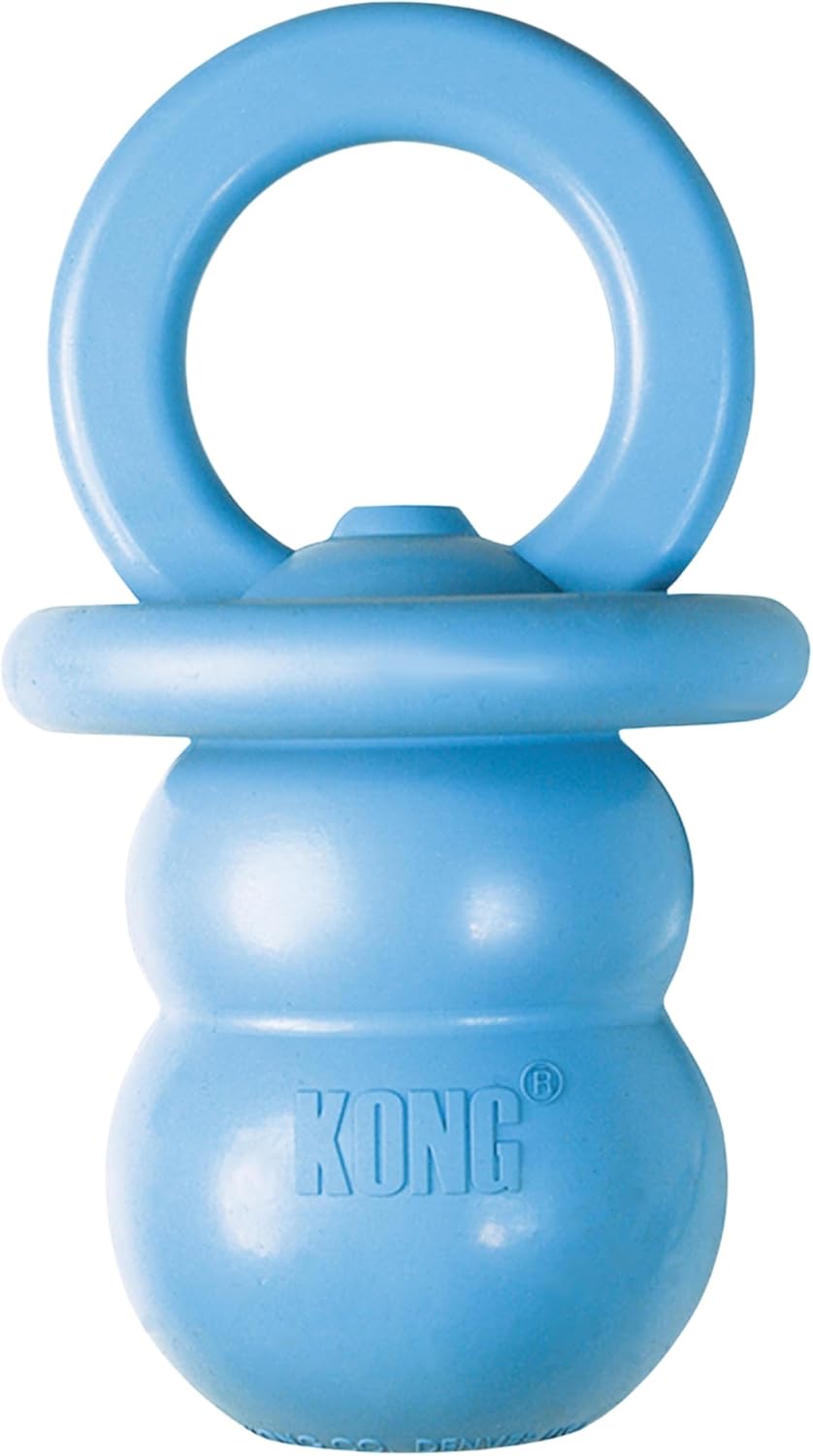
KONG Classic Puppy Toy
Essential for every new puppy. Stuff with wet food and freeze overnight — keeps puppies calm in their crate and gives them an appropriate chewing outlet that isn't your furniture.
- Natural rubber safe for puppy teeth and gums
- Freeze overnight with food to extend sessions
- Vet-recommended for reducing separation anxiety
02
Week-by-Week Plan
- 1
Week 1 — Settle In
Keep visitors minimal. Give your puppy a quiet den. Crate next to your bed for the first 3 nights. Place a warm water bottle wrapped in a blanket to simulate littermate warmth. Resist holding them constantly — sleep is how puppies process their new world.
- 2
Week 1 — Vet Visit
Book within 48 hours. Vet establishes baseline health, vaccination schedule, and parasite prevention. Register microchip with council. Start enzymatic cleaning spray for toilet training accidents — it removes the scent so puppies don't re-mark.
- 3
Week 2–3 — Routine + First Training
Feed at the same times daily (3 meals/day under 4 months). Go outside immediately after every meal, nap, and play session. Start 2-minute sessions for "sit" and name recognition. End sessions while they still want more — never train to failure.
- 4
Week 2–3 — Socialisation
The socialisation window closes at 16 weeks. Expose your puppy to: different people (men, women, children, hats, beards), surfaces (grass, tiles, pavement), sounds (traffic, rain, dogs barking). Safe exposure now prevents lifelong fear responses.
- 5
Week 4 — Puppy Preschool
By end of week 4, your puppy should have had their second vaccination and be eligible for puppy preschool. It's less about obedience and more about safe, supervised socialisation with other puppies. One of the best investments you can make in year one.
03
Week 1 Priority Checklist
Book first vet appointment
- When
- Day 1–2
Register microchip transfer with council
- When
- Day 1–7
Start crate training (short sessions)
- When
- Day 1
Begin toilet training routine
- When
- Day 1
Research puppy preschool near you
- When
- Day 3–7
Start parasite prevention (after vet advice)
- When
- Day 3–7
Research pet insurance providers
- When
- Day 1–14
| Task | When |
|---|---|
| Book first vet appointment | Day 1–2 |
| Register microchip transfer with council | Day 1–7 |
| Start crate training (short sessions) | Day 1 |
| Begin toilet training routine | Day 1 |
| Research puppy preschool near you | Day 3–7 |
| Start parasite prevention (after vet advice) | Day 3–7 |
| Research pet insurance providers | Day 1–14 |
End of the course
Common questions
When can my puppy sleep through the night?
Most puppies can sleep through the night (6–7 hours) by 3–4 months of age. Before that, expect one or two overnight bathroom breaks. A consistent bedtime routine — last toilet trip, crate with cover, same time each night — dramatically speeds up the process.
How long should I leave a puppy alone?
As a rough guide, puppies can hold their bladder for approximately one hour per month of age. A 2-month-old can manage 2 hours; a 3-month-old, 3 hours (up to a maximum of about 4 hours during the day). Leaving a puppy longer than this regularly creates anxiety and toilet training problems.
When can I take my puppy to the dog park?
Not until 1–2 weeks after their final puppy vaccination (typically around 18 weeks). Dog parks have high concentrations of unknown dogs and parvovirus can persist in soil. Puppy preschool and visits to vaccinated dogs in private gardens are safer ways to socialise before this.
How much should a puppy sleep?
Puppies sleep 16–20 hours a day. An overtired puppy will often become hyperactive, bitey, and difficult — the opposite of what you'd expect. If your puppy is particularly wild, check when they last slept. Putting them in their crate for a nap often solves the problem within 20 minutes.