Step-by-step course
Puppy-Proofing Your Home in Australia — The Complete Safety Checklist
Australian homes have unique hazards for puppies — from native plants to pool access. Here's how to make your home safe before your puppy arrives.
7 chapters, 9 min read
Before you start
In short
- Australian homes have hazards most international guides miss: certain native plants, snakes, blue-ringed octopuses near water
- Puppies explore with their mouths — anything small, toxic, or sharp is a risk
- Physical confinement (gates, playpens) + secure storage (locked cupboards, bins) = safe puppy
Puppy-proofing isn't just about removing the obvious hazards. In Australia, it means thinking beyond standard guides — native plants, snakes, water hazards, and climate-specific risks are all real threats. Before your puppy arrives, walk through every room and outdoor area with one question: "Could my puppy be poisoned, hurt, or trapped here?"
01
Indoor Hazards: Room-by-Room
Kitchen
- Top Hazards
- Toxic foods (onion, garlic, grapes, chocolate, xylitol), cleaning products, hot surfaces, rubbish
- Action Required
- Cabinet locks, lockable bin, gate during cooking, remove toxic foods from counters
Bathroom
- Top Hazards
- Human medications, shampoos, cleaners, toilet water
- Action Required
- High cupboards or locked drawers for all products, keep door shut
Living Room
- Top Hazards
- Electrical cords, small objects (coins, buttons), toxic houseplants, furniture edges
- Action Required
- Cord covers, bitter apple spray, remove/isolate toxic plants, clear small objects
Bedrooms
- Top Hazards
- Socks/underwear (blockage risk), small accessories, medications
- Action Required
- Keep door closed, store laundry in closed hamper, no accessible meds
Laundry
- Top Hazards
- Detergent pods (look like toys), fabric softener, stain removers
- Action Required
- High-shelf or locked storage, never leave pods accessible
Garage
- Top Hazards
- Engine oil, antifreeze (sweet taste, lethal), tools, pesticides
- Action Required
- Full lockdown — block garage access entirely until trained
| Room | Top Hazards | Action Required |
|---|---|---|
| Kitchen | Toxic foods (onion, garlic, grapes, chocolate, xylitol), cleaning products, hot surfaces, rubbish | Cabinet locks, lockable bin, gate during cooking, remove toxic foods from counters |
| Bathroom | Human medications, shampoos, cleaners, toilet water | High cupboards or locked drawers for all products, keep door shut |
| Living Room | Electrical cords, small objects (coins, buttons), toxic houseplants, furniture edges | Cord covers, bitter apple spray, remove/isolate toxic plants, clear small objects |
| Bedrooms | Socks/underwear (blockage risk), small accessories, medications | Keep door closed, store laundry in closed hamper, no accessible meds |
| Laundry | Detergent pods (look like toys), fabric softener, stain removers | High-shelf or locked storage, never leave pods accessible |
| Garage | Engine oil, antifreeze (sweet taste, lethal), tools, pesticides | Full lockdown — block garage access entirely until trained |
02
Toxic Houseplants Common in Australian Homes
- Lilies (all varieties)
- Highly toxic — even licking pollen can cause kidney failure
- Philodendron / Pothos
- Common indoor plants — cause oral irritation and vomiting
- Daffodils / Tulips
- Bulbs especially toxic — cause vomiting, tremors, heart issues
- Azalea / Rhododendron
- Even small amounts toxic — cardiovascular effects
- Peace Lily
- Very common indoor plant — causes oral pain and swelling
Next chapter: Australian Outdoor Hazards (That Most Guides Miss)
03
Australian Outdoor Hazards (That Most Guides Miss)
Sago Palm
- Risk Level
- EXTREME — all parts toxic
- Where Found
- Very common in AU gardens
- Prevention
- Remove entirely or fence off
Oleander
- Risk Level
- Extreme — tiny amount kills
- Where Found
- Widespread in QLD, NSW, WA gardens
- Prevention
- Remove or completely fence off
Cycads
- Risk Level
- Extreme — liver failure
- Where Found
- Native to QLD/NT, garden specimens
- Prevention
- Remove or fence off
Eastern Brown Snake
- Risk Level
- High — #1 snake killer in AU
- Where Found
- Any state, especially rural/suburban
- Prevention
- Short grass, no leaf piles, supervision Oct–Apr
Pool/Pond Drowning
- Risk Level
- High — 2 min to drown
- Where Found
- Any backyard water feature
- Prevention
- Locked pool gate, pond barrier, supervision
Blue-ringed Octopus
- Risk Level
- Extreme — no antivenom
- Where Found
- Rock pools, NSW/QLD/WA coast
- Prevention
- Keep puppies away from rock pools entirely
Foxglove
- Risk Level
- High — heart issues
- Where Found
- Common garden flower
- Prevention
- Remove from garden
Castor Bean (Ricinus)
- Risk Level
- Extreme — ricin toxin
- Where Found
- Ornamental plant in warm states
- Prevention
- Remove entirely from garden
| Hazard | Risk Level | Where Found | Prevention |
|---|---|---|---|
| Sago Palm | EXTREME — all parts toxic | Very common in AU gardens | Remove entirely or fence off |
| Oleander | Extreme — tiny amount kills | Widespread in QLD, NSW, WA gardens | Remove or completely fence off |
| Cycads | Extreme — liver failure | Native to QLD/NT, garden specimens | Remove or fence off |
| Eastern Brown Snake | High — #1 snake killer in AU | Any state, especially rural/suburban | Short grass, no leaf piles, supervision Oct–Apr |
| Pool/Pond Drowning | High — 2 min to drown | Any backyard water feature | Locked pool gate, pond barrier, supervision |
| Blue-ringed Octopus | Extreme — no antivenom | Rock pools, NSW/QLD/WA coast | Keep puppies away from rock pools entirely |
| Foxglove | High — heart issues | Common garden flower | Remove from garden |
| Castor Bean (Ricinus) | Extreme — ricin toxin | Ornamental plant in warm states | Remove entirely from garden |
04
Fencing & Escape Prevention
- Fence height
- Minimum 1.5m for most breeds. Small breeds can clear surprisingly high fences when motivated.
- Ground-level gaps
- Puppies squeeze through gaps you wouldn't believe. Check entire fence line at ground level.
- Gates
- Self-latching gates with locks. Test them — if you can open it with one finger, your puppy can nudge it open.
- Diggers
- Terriers, Huskies, and Hounds dig under fences. Line fence base with rocks or bury L-shaped wire.
05
Essential Safety Products
Affiliate Disclosure: As an Amazon Associate I earn from qualifying purchases. Product links on this page go to Amazon AU. Prices shown are approximate, check Amazon for current pricing.

Bettacare Dog Gate / Baby Gate
Pressure-fit or screw-fix gates to restrict puppy access to kitchens, stairs, and hazardous rooms. Adjustable width, easy adult operation, durable construction. A non-negotiable for early months.
- Adjustable width
- Pressure or screw-fit
- Durable metal/plastic
- Easy adult opening
- Prevents room access

Portable Puppy Playpen / Indoor Fence
Contains your puppy in a safe area when you can't actively supervise. Prevents destructive behaviour and accidents in forbidden zones. Quick setup and takedown — move between rooms.
- Portable design
- Multiple sizes
- Lightweight
- Quick setup
- Washable pads

Cord Covers / Protectors & Bitter Apple Spray
Protective tubing for electrical cords + bitter apple deterrent spray. Puppies that chew exposed cords risk electrocution. Cord covers physically block access; bitter apple makes exposed areas taste bad.
- Protects cords from chewing
- Durable flexible tubing
- Bitter apple deterrent
- Safe for puppies
- Affordable
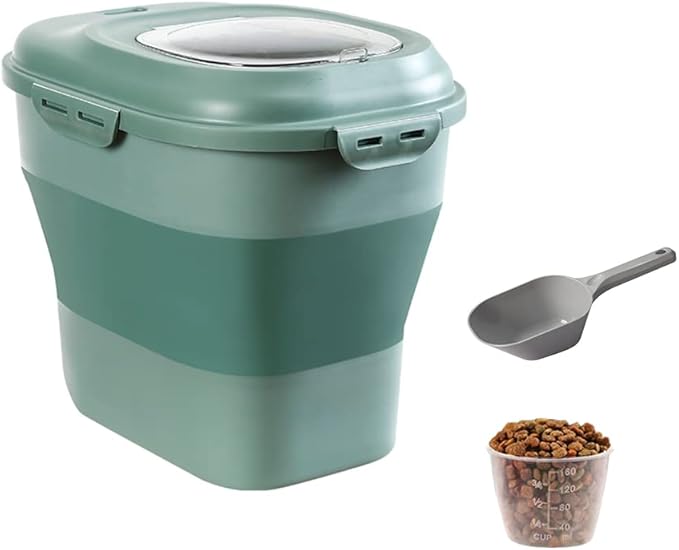
Lockable Storage Bin
Store toxic items — chemicals, medications, sharp tools — in a locked bin. Puppies will raid rubbish bins constantly. A locking lid is the only reliable solution.
- Lockable lid
- Durable plastic
- Large capacity
- Easy adult access
- Puppy-proof design

Child-Proof Cabinet Locks (Pet-Proof)
Secure cupboard and drawer doors containing cleaning products, medications, and toxic foods. Adhesive or screw-fit designs. Essential for kitchens and bathrooms where chemicals live at puppy height.
- Multiple designs
- Adhesive or screw
- Easy adult operation
- Puppy-proof
- Pack of multiple locks
06
Before Arrival: 5-Day Prep Plan
- 1
Day 1 — The Puppy Crawl
Get on your hands and knees in every room. At puppy eye-level — what can they reach, lick, or chew? Remove or secure everything.
- 2
Day 2 — Secure Storage
Every cupboard and drawer containing chemicals, medications, or toxic foods gets a lock. Don't rely on height alone — puppies learn to climb.
- 3
Day 3 — Garden Audit
Identify every plant. Remove or fence off any toxic species. Check fence integrity at ground level. Inspect pool and water feature access.
- 4
Day 4 — Install Safety Products
Fit baby gates, playpens, and cord covers. Test them as a puppy would — nudge with your hand, probe gaps. Fix anything that moves.
- 5
Day 5 — Final Walkthrough
Ask: "Is every room safe for an unsupervised curious puppy?" If no, gate it off or use a playpen. Never assume your puppy will stay put.
07
Room-by-Room Safety Summary
Kitchen
- Key Hazards
- Toxic foods, chemicals, heat
- Essential Action
- Lock cupboards, lockable bin, gate off when cooking
- Product
- Cabinet lock + lockable bin
Bathroom
- Key Hazards
- Medications, cleaners
- Essential Action
- High storage or locked drawers, keep door shut
- Product
- Cabinet lock
Living Room
- Key Hazards
- Cords, small objects, plants
- Essential Action
- Cord covers, clear choking hazards, remove toxic plants
- Product
- Cord cover + bitter apple
Garden
- Key Hazards
- Toxic plants, snakes, water
- Essential Action
- Audit plants, short grass, pool barrier, supervision
- Product
- Fencing + gate lock
Laundry
- Key Hazards
- Detergent pods, softeners
- Essential Action
- High shelf or locked storage for all products
- Product
- Lockable storage
General
- Key Hazards
- Unsupervised access to all rooms
- Essential Action
- Gates and playpens for all unsupervised time
- Product
- Baby gates + playpen
| Zone | Key Hazards | Essential Action | Product |
|---|---|---|---|
| Kitchen | Toxic foods, chemicals, heat | Lock cupboards, lockable bin, gate off when cooking | Cabinet lock + lockable bin |
| Bathroom | Medications, cleaners | High storage or locked drawers, keep door shut | Cabinet lock |
| Living Room | Cords, small objects, plants | Cord covers, clear choking hazards, remove toxic plants | Cord cover + bitter apple |
| Garden | Toxic plants, snakes, water | Audit plants, short grass, pool barrier, supervision | Fencing + gate lock |
| Laundry | Detergent pods, softeners | High shelf or locked storage for all products | Lockable storage |
| General | Unsupervised access to all rooms | Gates and playpens for all unsupervised time | Baby gates + playpen |
End of the course
Common questions
What plants are actually toxic to Australian dogs?
Sago palm (extremely toxic), oleander, foxglove, daffodils, crocus, cycads, stinging trees (QLD), and castor bean plants are all highly toxic. If you're unsure about a plant, ask your vet or local nursery. When in doubt, remove it or fence it off.
How do I stop my puppy from chewing electrical cords?
Use cord covers (tubing) and bitter apple spray on the exposed areas. Keep cords out of reach when possible. The goal is to either make them inaccessible or taste bad. Electrocution is a real risk, so this is non-negotiable.
Are baby gates effective for puppies?
Yes, if installed properly. Use pressure-fit gates in doorways, screw-fix for areas where the puppy might push. Ensure there are no gaps the puppy can squeeze through. Test the gate as a puppy would — they're surprisingly clever at escaping.
What do I do if my puppy eats something toxic?
Call the Animal Poisons Helpline (1300 869 277) immediately. Have the substance or plant name ready. Don't wait or assume it's fine — many toxic items show symptoms hours later. Early treatment can be life-saving.
Is puppy training required for snake avoidance?
Not required, but valuable in high-snake areas (coastal NSW, QLD). Some trainers offer snake avoidance training. Prevention is better: keep grass short, remove leaf piles, supervise garden time during snake season (Oct–Apr).
Can I use regular household cleaners if I clean before my puppy arrives?
No. Residue remains and residue is enough to cause poisoning. Store all cleaners in locked cupboards. Use pet-safe cleaning products when possible. Never assume a surface is "clean enough" if the chemical was used there.