
Your Malshi Is Out of the Puppy Phase — Now the Real Problems Begin
Matting, separation anxiety, sensitive stomach, and that smell. The honest owner's guide to life with a post-puppy Shih Tzu–Maltese.
That fluffy coat is now a mat factory — daily brushing is non-negotiable from here on
Separation anxiety and sensitive stomachs are almost universal in this mix — easy to manage once you know the tools
The smell is usually ears, teeth, or coat buildup — all fixable with the right products
Affiliate Disclosure: As an Amazon Associate I earn from qualifying purchases. Product links on this page go to Amazon AU. Prices shown are approximate — check Amazon for current pricing.
- 🐾Malshi = Maltese × Shih Tzu — both parent breeds are high-maintenance coats
- 📅Post-puppy phase hits around 12–18 months — coat texture changes completely
- 🪮Silky-wavy adult coat is gorgeous but mats in 48 hours without brushing
- 🏡This mix was literally bred to never leave your side — separation anxiety is in the DNA
- 🫃Tiny gut + sensitive lineage = stomach upsets from almost anything novel
- 👃Ear folds, tear ducts, and dense coat all trap moisture — smells are structural
The puppy phase was chaos but it was also forgiving — short coat, small stomach, mostly asleep. Now your Malshi is a real dog, and four things have quietly become your full-time job. The good news: every single one of them is manageable. You just need the right setup.
Until matting starts on a neglected coat
Of small companion breeds show separation anxiety
Reason Malshis visit the vet — digestive upsets
More likely to smell if ears aren't cleaned monthly
🪮 Issue 1 — The Mat Monster
Around 12 months, the soft puppy fluff swaps for a silky adult coat. It looks incredible. It also mats like velcro in a lint factory. The armpits, behind the ears, under the collar, and the back of the legs are the hot zones — and a mat that's been there a week is basically a felt slab that hurts to remove.
Never brush a dry, matted coat
Always spritz with a detangling spray or leave-in conditioner first. Dry brushing snaps the coat and hurts your dog — which makes them hate brushing forever. Wet first, then work.
The 3-minute daily routine that prevents everything
- Spritz coat with leave-in conditioner — just a light mist
- Slicker brush — work in sections, base to tip, not tip to root
- Run a fine comb behind the ears, under the armpits, and at the collar line
- Check for any small tangles forming — pull apart with fingers before they set
- Done. 3 minutes. Every day beats 2 hours every fortnight.

Chris Christensen Ice on Ice Leave-In Conditioner
The groomers' secret weapon. A light mist detangles on contact, adds slip so the brush glides instead of snags, and smells incredible. Works on dry or damp coat — use it before every brush.

Andis Premium Slicker Brush — Small
Firm enough to get through a tangle, gentle enough for daily use on sensitive skin. The flex head adapts to body contours — critical for getting behind the ears and into the armpits without hurting your dog.

Safari Dematting Comb
When a mat is already set — reach for this before scissors. The curved blades slice through the tangle without cutting the surrounding coat. Essential to keep on hand for the collar line and armpit mats that sneak up on you.
😰 Issue 2 — The Velcro Dog Problem
Both parent breeds were developed for one purpose: to be your companion 24/7. That's not a behaviour problem — it's literally what they were bred for. The issue is that modern life requires you to occasionally leave the house. Your Malshi sees this as a betrayal of the highest order.
The goal isn't independence — it's calm
You're not trying to train your Malshi to not care that you're gone. You're teaching them that your absence is predictable, temporary, and not scary. That's a very achievable goal.
Building a departure routine that works
Freeze a LickiMat the night before
Peanut butter, banana, or wet food — frozen solid. Hand it over 2 minutes before you leave. They're still licking when you're gone.
Make departures boring
No dramatic goodbyes. No big reunions either. Calm in, calm out — it teaches them that your leaving isn't a big event.
Use a pet camera for the first week
You'll actually see what's happening. Most dogs settle within 15 minutes. Knowing this is genuinely reassuring.
Build duration slowly
Start with 10-minute absences. Then 30. Then 2 hours. The first time you leave for a full workday shouldn't be their first time alone.

LickiMat Classic — Small
Freeze it the night before, hand it over as you leave. The repetitive licking releases calming endorphins — it's not a distraction, it's actual physiological calming. The ridged design extends lick time to 15–20 minutes.

Adaptil Calm On-The-Go Collar
Releases a synthetic version of the pheromone mother dogs produce to calm their puppies. Clinically proven to reduce anxiety-related behaviour — barking, pacing, destructive chewing. Lasts 4 weeks, works 24/7.

ThunderShirt Classic Anxiety Wrap — XS/Small
Constant gentle pressure on the torso — same principle as swaddling. Works for separation, vet visits, thunderstorms, car trips. More effective when paired with a consistent departure routine than when used alone.
🤢 Issue 3 — The Delicate Gut
Malshis have the combined digestive sensitivity of two already-delicate breeds, compressed into a stomach the size of a cricket ball. Switching foods too fast, table scraps, stress, or the wrong kibble can trigger days of loose stools, grass-eating, and that look — the one that says "I feel terrible and somehow this is your fault."
When to actually see the vet
Occasional soft stools after a food change = normal. Blood in stool, vomiting more than once a day, lethargy alongside stomach issues, or anything lasting more than 48 hours = vet visit. Don't manage those with home remedies.
Gut-friendly rules that make a real difference
- Transition any new food over 10–14 days minimum — not 3–4 days
- Feed twice daily at consistent times — irregular feeding disrupts digestion
- Use a slow feeder bowl — fast eating causes gas and regurgitation
- No table scraps, ever — their gut flora simply isn't set up for it
- Add a probiotic during any stressful period (vet visit, travel, food change)
- Fresh water always available — dehydration makes sensitive stomachs worse

Hill's Science Diet Sensitive Stomach & Skin — Small & Toy Breed
Specifically sized kibble for tiny mouths, formulated with prebiotic fibre and easily digestible ingredients. The omega-6 blend also addresses the coat and skin issues that often come paired with gut sensitivity in this mix.
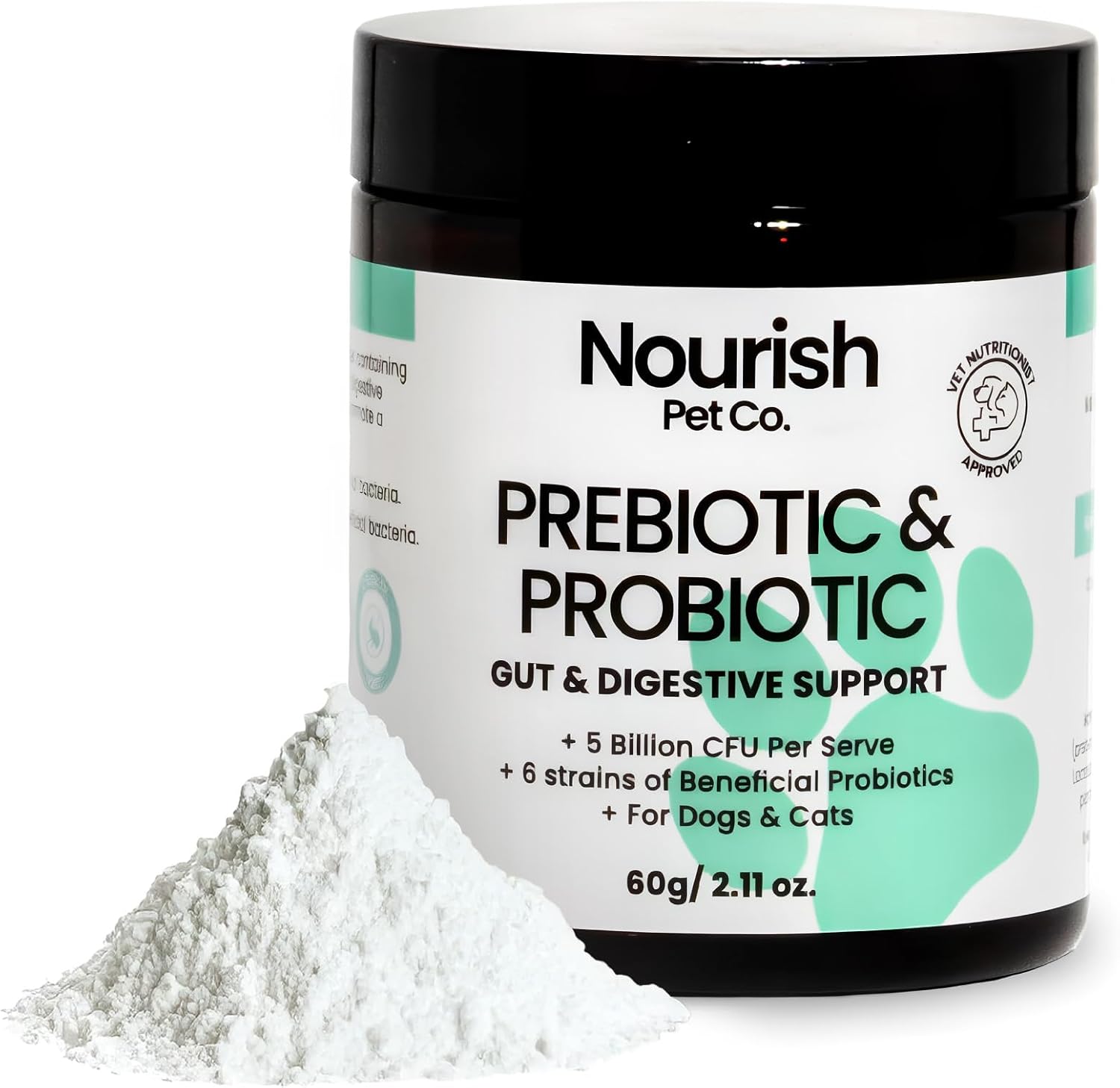
Purina Pro Plan FortiFlora Probiotic Supplement
Single-strain probiotic (Enterococcus faecium) — the most researched canine probiotic available. Sprinkle one sachet over food daily. Particularly useful during food transitions, post-antibiotics, or any period of stress.

Outward Hound Fun Feeder — Small
Slows eating by 10× — essential for a dog that inhales food and then wonders why they feel sick. The maze pattern is sized for small breeds so they can actually get the food out without frustration.
👃 Issue 4 — The Smell (It's Not What You Think)
Your Malshi stinks — but it's almost never the coat itself. That distinctive smell is almost always coming from three specific places: the ears (warm, folded, and perfect for yeast), the teeth (small mouths with crowded teeth trap bacteria fast), and tear stain buildup around the eyes. Fix those three and your dog smells like nothing at all.
| Source | What it smells like | How often to address |
|---|---|---|
| Ears | Sweet, yeasty, musty | Clean every 2–3 weeks |
| Teeth | Fishy, sharp, sulphur | Brush weekly + dental chews daily |
| Tear stains | Sour, slightly cheesy | Wipe face folds daily with damp cloth |
| Coat buildup | Musty, dog-like | Full bath every 3–4 weeks |

Virbac Epi-Otic Advanced Ear Cleaner
The vet-standard ear cleaner in Australia. Breaks down wax and debris without disrupting the ear's natural pH. The low-pH formula actively inhibits yeast growth — which is the real source of that sweet ear smell in Malshis.

Virbac VeggieDent Dental Chews — XS
Small-breed sized chews that genuinely work on plaque and tartar — not just breath masking. The Z-shape creates a scrubbing action on all tooth surfaces including the back molars where bacteria hide in tiny mouths.

Wahl Dry Skin & Itch Relief Oatmeal Shampoo
Soap-free, pH-balanced formula with oatmeal and coconut oil — won't strip the natural oils from a Malshi's coat the way regular shampoos do. Leaves the coat soft and manageable rather than puffed-out and dry.
The Honest Truth About This Mix
High maintenance, outrageously rewarding
The Malshi is one of the highest-maintenance small breeds in existence — and one of the most loving. Once you have a routine locked in for the four issues above, daily life with them is genuinely joyful. The investment is real. So is the payoff.
Your weekly Malshi maintenance checklist
- ✅ Daily — 3-min brush with leave-in spray
- ✅ Daily — wipe face folds under eyes with damp cloth
- ✅ Daily — dental chew after dinner
- ✅ Every 2–3 days — check ears for smell or dark wax
- ✅ Weekly — teeth brush (yes, actual brush and paste)
- ✅ Monthly — full bath + ear clean
- ✅ Ongoing — consistent departure routine for anxiety