
Health
Keeping Your Dog Cool in the Australian Summer — Heatstroke Prevention Guide
Heatstroke can kill a dog in under 15 minutes. Australia's summers are brutal — here's how to keep your dog safe from November to March.
7 min read
- 41°C
- body temperature at which organ failure begins in dogs
- 60°C+
- interior temperature of a parked car on a 30°C day — in under 10 minutes
- 25°C
- temperature at which flat-faced breeds become vulnerable to heat stress
- Heatstroke onset is fast — excessive panting, drooling, lethargy, or collapse are emergency signs requiring immediate cooling and a vet
- Dogs cool by panting, not sweating — flat-faced breeds (Bulldogs, Pugs) are in serious danger above 25°C
- Walk before 8am or after 6pm in summer; use a cooling mat, paddling pool, and always have fresh cold water available
Affiliate Disclosure: As an Amazon Associate I earn from qualifying purchases. Product links on this page go to Amazon AU. Prices shown are approximate, check Amazon for current pricing.
December hits, temps soar to 38°C+, and your dog is panting hard. Heatstroke can develop in under 15 minutes. Body temperature hits 41°C, organs begin failing, and without treatment they can die within hours. Australia's summers are not kind to dogs.
Why Dogs Overheat So Quickly
Which Dogs Are at Highest Risk?
- 🐷 Brachycephalic breeds
- Bulldogs, Pugs, French Bulldogs, Boston Terriers, Pekingese — extreme risk above 25°C due to airway inefficiency
- 🦮 Thick/long-coated breeds
- Huskies, Golden Retrievers, German Shepherds, Samoyeds — heavy coat traps heat
- ⚖️ Obese dogs
- Extra body fat insulates heat in and reduces mobility, worsening panting efficiency
- 👴 Senior dogs (7+)
- Weaker cardiovascular system, reduced heat tolerance, more likely to dehydrate
- 🐶 Young puppies
- Thermoregulation not fully developed until 6 months
- 🐕 Short-haired young adults
- Lower risk but not immune — no dog is completely safe in extreme Australian heat
Australian Temperature Danger Zones
Under 20°C
- Risk level
- 🟢 Safe
- Safe activity
- Normal walks anytime
20–25°C
- Risk level
- 🟡 Caution
- Safe activity
- Avoid midday, offer water frequently
25–30°C
- Risk level
- 🟠 High
- Safe activity
- Morning (before 8am) or evening (after 6pm) only
30–35°C
- Risk level
- 🔴 Danger
- Safe activity
- Indoors only with AC, no exercise
35°C+
- Risk level
- ⛔ Extreme
- Safe activity
- Emergency protocols — AC, ice water, zero exercise
| Temperature | Risk level | Safe activity |
|---|---|---|
| Under 20°C | 🟢 Safe | Normal walks anytime |
| 20–25°C | 🟡 Caution | Avoid midday, offer water frequently |
| 25–30°C | 🟠 High | Morning (before 8am) or evening (after 6pm) only |
| 30–35°C | 🔴 Danger | Indoors only with AC, no exercise |
| 35°C+ | ⛔ Extreme | Emergency protocols — AC, ice water, zero exercise |
Heatstroke Signs — Act Within Minutes
- 🌬️ Excessive panting
- Panting heavily at rest or not stopping even in shade — first warning sign
- 💦 Excessive drooling
- Thick ropy drool, soaking the ground beneath them
- 😵 Lethargy or collapse
- Won't stand up, wobbly, unresponsive to name — serious
- 🤢 Vomiting or diarrhoea
- Combined with other signs means organ stress is beginning
- 👁️ Glazed, glassy eyes
- Blank expression, not tracking movement normally
- 🩸 Pale or bright red gums
- Gums should be pink and moist — colour change = emergency
Essential Summer Cooling Gear

Must-Have Summer Gear
All For Paws Cooling Mat
Pressure-activated gel mat that cools without electricity or freezing. Dog lies on it; pressure releases cooling gel. Stays cool for hours. Essential for hot Australian homes.
- Pressure-activated — no electricity
- Non-toxic gel
- Durable puncture-resistant cover
- Resets automatically between uses
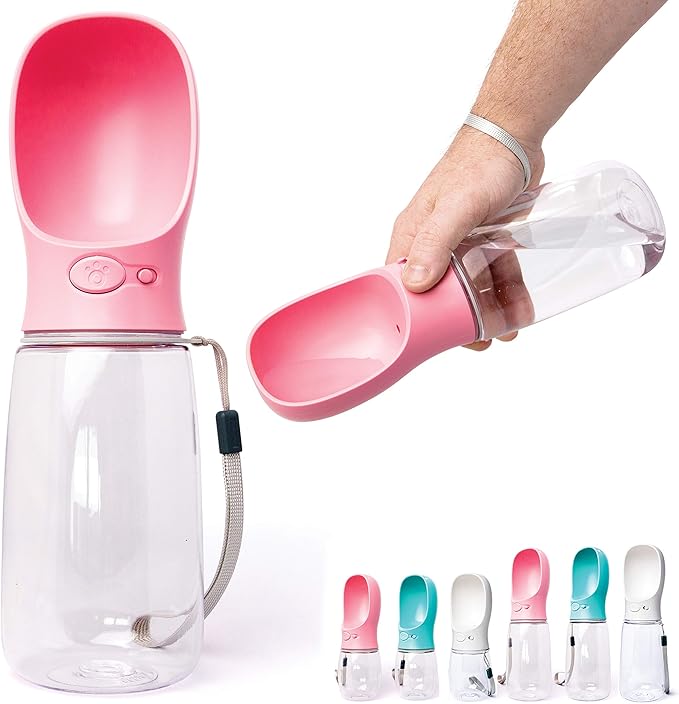
Springer Portable Dog Water Bottle
Insulated bottle keeps water cold for hours. Integrated drinking cup means no bowl needed on walks. Prevents dehydration during outdoor trips.
- Insulated — stays cold for hours
- Integrated drinking cup
- Leak-proof design
- Portable clip for bags

Splash Pad / Paddling Pool for Dogs
Shallow pool for dogs to wade and cool down naturally. Fill with cool (not ice cold) water. Encourages cooling behaviour without risk of ice shock.
- Durable reinforced vinyl
- Multiple sizes for all breeds
- Easy fill and drain valve
- Perfect for backyards

Evaporative Cooling Bandana
Soak in water, tie around neck. Evaporative cooling targets the large blood vessels in the neck. Lightweight, portable, reusable. Great for walks or car trips.
- Evaporative cooling technology
- Targets neck blood vessels
- Lightweight and packable
- Reusable — just resoak
Summer Exercise Rules
Follow this every day from November to March
- 1
Walk before 8am or after 6pm only
Pavement cools slowly. Even after sunset, ground holds heat until late evening. Morning walks are safest. Check pavement temperature with your hand before stepping out.
- 2
Replace outdoor play with indoor enrichment
Puzzle toys, snuffle mats, hide-and-seek games, and training sessions burn energy without heat stress. A dog worked mentally is just as tired as a dog worked physically.
- 3
Swap fetch for swimming
Swimming is the ideal summer exercise — cools the body, zero joint impact, full body workout. Dog-friendly beaches and pools exist across Australia. Always supervise in water.
Common questions
Can I shave my dog to help them cool down?
For long-coated breeds (Golden Retrievers, Huskies), a shave helps slightly. But don't shave short-coated breeds — their coat insulates from heat and protects from sun. Deshedding and removing mats gives most of the benefit without full shave.
Is ice water dangerous for overheated dogs?
Ice water to drink is fine. But using ice packs or ice baths for external cooling can cause shock. Apply cool (cold, not frozen) water over the body and let it evaporate. That's the safest and most effective cooling method.
My dog hates water. How do I cool them down without it?
Cooling mats, evaporative bandanas, shade + fan, and air conditioning are all water-free alternatives. Some dogs tolerate a damp towel draped lightly over their back — never wrap tightly as this traps heat.
Is 25°C too hot for a walk?
Depends on breed. For brachycephalic breeds (Bulldogs, Pugs), 25°C is risky. For healthy short-coated adults, 25°C is manageable with morning or evening timing and frequent water. Watch your dog — if they're panting heavily or reluctant to move, it's too hot.
Can dogs get sunburned?
Yes — especially dogs with pink noses, white ears, or sparse coats. While most Australian dogs should be indoors during peak sun (10am–4pm), outdoor dogs with pink skin can burn. Dog-safe sunscreen exists for nose and ear tips.
Should I use a cooling vest for exercise?
Yes for unavoidable outdoor time — cooling vests (evaporative or gel-based) help active dogs regulate temperature. But ideally, avoid intense exercise in heat rather than relying on gear. The vest is a backup, not a licence to run at 35°C.