Step-by-step course
How to Stop a Puppy Biting — What Actually Works
Tried and tested methods from professional Australian dog trainers — and the common mistakes that make it worse.
5 chapters, 6 min read
Before you start
In short
- Puppy biting is normal — it's how they explore and learn. The goal is to teach bite inhibition, not eliminate mouthing entirely.
- Yelping and withdrawing attention is more effective than punishment, which can increase aggression.
- Most puppies significantly reduce biting by 4–5 months with consistent training.
Your puppy isn't aggressive — they're a puppy. Biting, mouthing, and chewing everything including your hands and ankles is completely normal behaviour. What you're teaching in these early weeks isn't "don't bite" — it's "how hard is too hard." That skill, called bite inhibition, is one of the most important things your dog will ever learn.
01
Why Puppies Bite — And Why Bite Inhibition Matters
- Where bite inhibition comes from naturally
- Littermates — when play gets too rough, the bitten puppy yelps and stops playing. That feedback teaches pressure control.
- Puppies separated before 8 weeks
- Miss this critical learning and often have more severe biting problems — another reason early separation is harmful.
- Why bite inhibition matters later
- A dog who learned soft bites as a puppy will bite softly if they ever bite as an adult — potentially avoiding serious injury.
02
Method Comparison: What Actually Works
Yelp + withdraw attention
- How It Works
- Say "ouch", stop play for 30 seconds
- Effectiveness
- High ✅
- Notes
- Mimics littermate feedback — most natural
Redirect to toy
- How It Works
- Swap your hand for a chew toy immediately
- Effectiveness
- High ✅
- Notes
- Teaches what IS appropriate to bite
Time out
- How It Works
- Calmly leave the room for 30–60 seconds
- Effectiveness
- High ✅
- Notes
- Effective for persistent biters who ignore yelping
Taste deterrent spray
- How It Works
- Applied to skin/clothes — tastes bitter
- Effectiveness
- Medium
- Notes
- Helpful supplement, not standalone solution
Physical punishment
- How It Works
- Tapping nose, alpha rolls, scruff grabs
- Effectiveness
- Low — backfires ❌
- Notes
- Increases anxiety, damages trust, escalates biting
Spray bottle
- How It Works
- Spraying water when biting
- Effectiveness
- Low — backfires ❌
- Notes
- Creates fearful, anxious puppy without teaching alternative
| Method | How It Works | Effectiveness | Notes |
|---|---|---|---|
| Yelp + withdraw attention | Say "ouch", stop play for 30 seconds | High ✅ | Mimics littermate feedback — most natural |
| Redirect to toy | Swap your hand for a chew toy immediately | High ✅ | Teaches what IS appropriate to bite |
| Time out | Calmly leave the room for 30–60 seconds | High ✅ | Effective for persistent biters who ignore yelping |
| Taste deterrent spray | Applied to skin/clothes — tastes bitter | Medium | Helpful supplement, not standalone solution |
| Physical punishment | Tapping nose, alpha rolls, scruff grabs | Low — backfires ❌ | Increases anxiety, damages trust, escalates biting |
| Spray bottle | Spraying water when biting | Low — backfires ❌ | Creates fearful, anxious puppy without teaching alternative |
03
Step-by-Step: The Yelp and Withdraw Method
- 1
Puppy bites too hard → say "ouch" immediately
Use a high-pitched yelp sound — this mimics what a littermate would do. Be instant — within 1 second of the bite.
- 2
Go completely still
Stop all movement. No eye contact, no talking, no reaction. Still and boring.
- 3
Ignore for 30 seconds
Turn away slightly. Don't look at them, don't push them away. Just boring stillness.
- 4
If they settle, resume play
After 30 calm seconds, you can re-engage. If they bite again with the same force, repeat.
- 5
Repeated biting = leave the room
Some puppies don't respond to yelping. If biting continues after 3 repetitions in one session, leave the room entirely for 1–2 minutes.
04
The 4–6 Month Teething Surge
Affiliate Disclosure: As an Amazon Associate I earn from qualifying purchases. Product links on this page go to Amazon AU. Prices shown are approximate, check Amazon for current pricing.
- What happens at 4 months
- Adult teeth start pushing through. Gums are sore. Puppies need to chew more intensely to relieve discomfort.
- Why owners are caught off guard
- Puppy was improving, then suddenly seems worse. This is normal — it's the teething surge, not regression.
- Solution
- Frozen Kongs, bully sticks, rubber chews. Cold relieves sore gums. Redirect to appropriate chewing intensively during this phase.
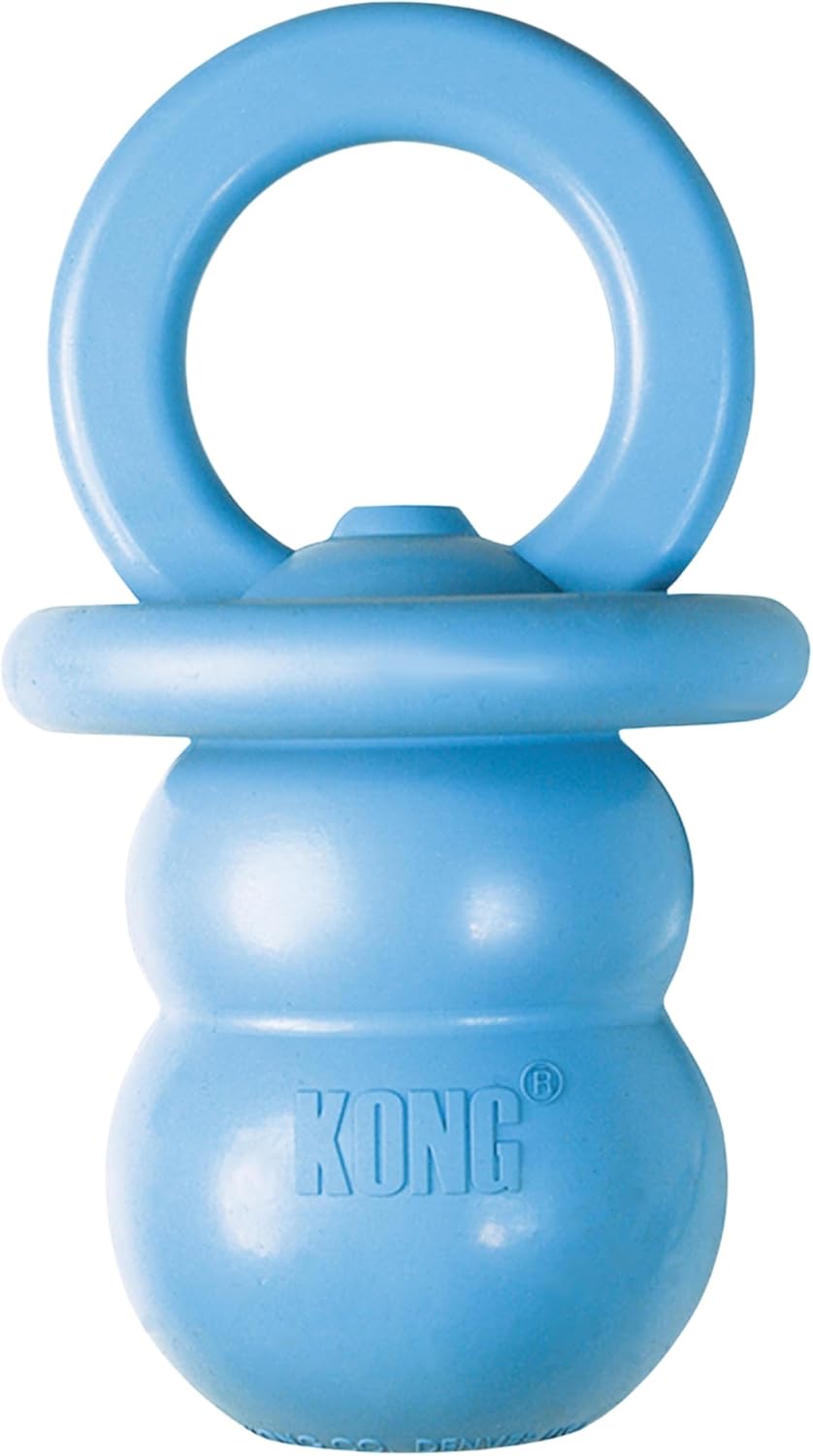
Vet recommended
KONG Classic Puppy Toy
The most vet-recommended chew toy in Australia. Soft rubber designed for puppy teeth — won't damage gums. Stuff with treats or peanut butter and freeze to extend engagement. Redirects biting from hands to an appropriate target.
- Natural rubber designed for puppy teeth
- Stuff and freeze to extend chewing time
- Redirects biting from hands to appropriate outlet

Trainer approved
Grannicks Bitter Apple Spray
Non-toxic deterrent spray applied to hands, ankles, or furniture to discourage biting. Works best as a supplement alongside yelp-and-withdraw training — not as a standalone solution.
- Non-toxic and safe if licked
- Works on skin, clothing, and furniture
- No harsh chemicals — vet and trainer approved

Training favourite
Zuke's Mini Naturals Puppy Treats
Small, soft training treats for rewarding calm behaviour and non-biting interactions. Low calorie allows frequent rewarding during biting training sessions without overfeeding.
- Only 2 calories per treat — ideal for frequent rewarding
- Soft texture easy for puppies to chew
- No corn, wheat, or soy — gentle on sensitive stomachs
05
Biting and Children: Extra Precautions
- Why children get bitten more
- Children squeal, run, and make erratic movements — all highly exciting to a puppy. This triggers and escalates biting.
- Teach children to be a tree
- When a puppy bites — stand completely still, arms crossed, no sound. Boring = no reward. This works for young children who can't control their reactions.
- Never leave children and puppies unsupervised
- Puppy teeth are sharp and break skin. Supervise every interaction until biting is fully resolved, around 6–7 months.
End of the course
Common questions
Should I use a spray bottle to stop puppy biting?
Most professional trainers advise against it. Spray bottles can make puppies fearful and anxious, and they don't teach the puppy what to do instead. Yelping and withdrawing attention is more effective and doesn't damage trust.
My puppy only bites me, not my partner. Why?
Puppies often target the person who engages in the most exciting play with them. If one person plays more roughly or inconsistently applies the rules, the puppy will focus on them. Align your responses so everyone handles biting the same way.
Is puppy biting dangerous for children?
Puppy teeth are sharp and can break skin. Children should always be supervised with puppies, and young children should be taught not to run or squeal (which excites puppies). Teach children to "be a tree" — stand still and cross their arms — when the puppy bites.
Does neutering stop a puppy from biting?
No. Biting in puppies is developmental behaviour, not hormone-driven aggression. Desexing won't affect it.