
How to Socialise a Puppy in Australia: The Complete Guide
The socialisation window closes at 16 weeks. Here's exactly what to expose your puppy to — and how to do it safely
The critical socialisation window is 3–16 weeks — after 16 weeks, your puppy becomes naturally fearful and sociability becomes much harder to build. You have one shot to get this right
Socialisation means *positive exposure* to people, animals, sounds, surfaces, and environments — not just playing with other puppies. Aim for 100 different experiences by 16 weeks
Before full vaccination (12 weeks), socialise carefully: avoid contaminated areas, stick to puppy-safe spaces, and carry your puppy in crowded environments. It's safer to risk a vaccine-preventable illness than a lifelong fear
Affiliate Disclosure: As an Amazon Associate I earn from qualifying purchases. Product links on this page go to Amazon AU. Prices shown are approximate — check Amazon for current pricing.
- 🧠Critical window: 3–16 weeks — brain is most plastic, fear responses not yet wired
- 🎯Target: 100 different positive experiences by 16 weeks
- ⚠️After 16 weeks, new experiences trigger fear by default — much harder to socialise
- 🐾Socialisation = positive exposure to people, sounds, surfaces, animals, environments
- 💉Don't wait for full vaccination — poor socialisation is a bigger risk than disease
Between 3 and 16 weeks, your puppy's brain is in its most plastic state. Experiences during this window shape their adult personality permanently. A puppy exposed to friendly people, car rides, loud noises, and different surfaces will become a confident adult. Miss this window, and you'll spend years managing fear-based behaviours that could have been prevented in 13 weeks.
When the socialisation window largely closes — act before this
Positive experiences target by 16 weeks for a well-socialised puppy
Earliest you can start puppy school with good hygiene protocols
Many Australian Vets Get This Wrong
Some vets say "Keep your puppy indoors until 16 weeks (3 rounds of vaccines)." This is overly cautious and creates fearful adults. The risk of poor socialisation far outweighs the risk of a vaccine-preventable disease in a mostly-vaccinated community. Socialise while protecting — don't choose between them.
What Socialisation Actually Means
The 100 Experiences Checklist
| Category | Examples to Tick Off (aim for 15+ per category) |
|---|---|
| People | Men, women, children, elderly, people in wheelchairs, beards, hats, uniforms, tall, short, different ethnicities |
| Animals | Other puppies, calm adult dogs, cats, rabbits, birds — if safely available |
| Sounds | Traffic, trucks, motorbikes, thunder, fireworks, vacuum, blender, doorbell, clapping, happy shouting |
| Surfaces | Tile, linoleum, carpet, grass, gravel, sand, wood, metal grating, ramps, wet ground |
| Vehicles | Car rides, sitting near a busy carpark, trains (from outside), buses, motorbikes |
| Environments | Vet clinic, pet store, friend's house, café (outdoor), park, beach, bushland, markets |
| Activities | Bath, nail trimming (dry run), being handled by strangers, brushing, mock vet exam simulation |
Socialising Before Full Vaccination: Safe vs Risky
| Activity | Safe Pre-Vaccination? | How to Do It |
|---|---|---|
| Carry in crowded places (markets, parks, shops) | Yes ✅ | Puppy off ground = minimal disease risk. People can interact, puppy sees the world |
| Visit fully vaccinated friends' homes | Yes ✅ | Great controlled exposure. Dogs are vaccinated, ground is clean |
| Puppy school (good schools only) | Yes ✅ | Reputable schools screen puppies and maintain hygiene. Start from 6 weeks |
| Drive to new locations | Yes ✅ | Stay in car or carry. New sights and sounds with zero ground exposure |
| Walk in quiet residential streets | Mostly safe ✅ | Avoid areas with heavy unknown dog traffic or contaminated ground |
| Off-leash dog parks | No ❌ | Unknown vaccination status of visiting dogs. High contamination risk |
| Beaches / public water | No ❌ | High disease risk from unknown animals and standing water |
| Areas frequented by unknown dogs | No ❌ | Soil contamination from unvaccinated dogs possible |
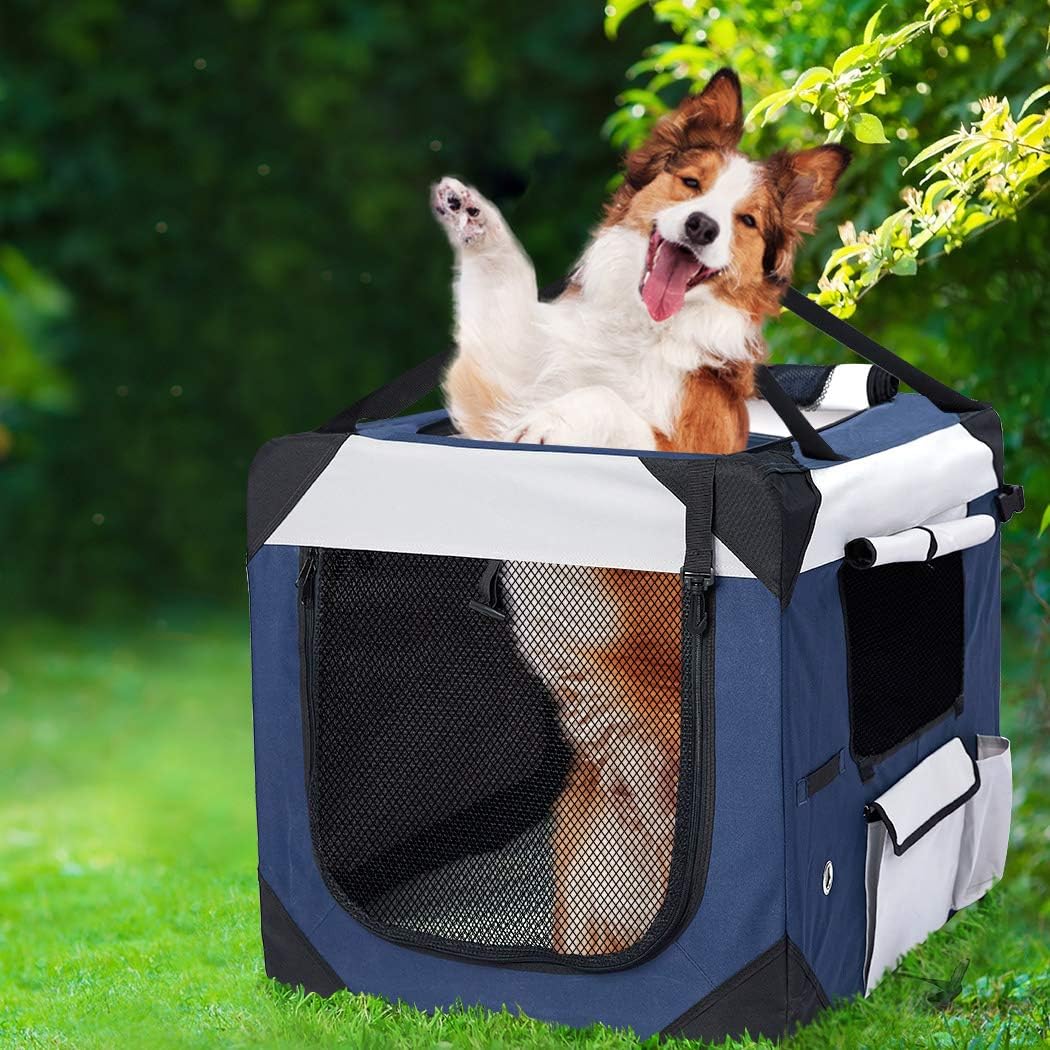
Puppy Carrier Bag / Sling
Hands-free carrier for socialisation outings before full vaccination. Lets your puppy see, hear, and smell the world without touching potentially contaminated ground. Essential for safe early socialisation.
Week-by-Week Socialisation Schedule
Weeks 3–8 (Pre-first vaccine)
Home-based: sounds (TV, appliances, blender), handling paws and mouth daily. Carry to markets and quiet streets. Meet 1–2 friendly adult dogs at your home. Attend puppy school if available.
Weeks 9–12 (Between vaccines)
Expand locations. More car rides. Puppy school continues. Walk quiet residential streets. Expose to more sounds: traffic, machinery. Meet diverse people at home. Brief visits to vaccinated friends' homes.
Weeks 13–16 (Post second vaccine)
Most socialisation happens here. Off-leash puppy play areas. Busier parks. Beach walks. Vet clinic fun visits (no procedure — just treats and praise). Training classes. People in different contexts: uniforms, wheelchairs, children.
Weeks 17–52 (After full vaccination)
Critical window closing but behaviours consolidate. Continue regular exposure, advanced training, complex environments. Don't stop — maintenance matters.
Australian-Specific Exposures
| Exposure | When to Introduce | How to Do It Safely |
|---|---|---|
| Bin trucks (loud, smelly) | 6–8 weeks, in arms | Stand outside during collection. Reward calmness with treats. In arms for safety. |
| Fireworks / crackers | 8–10 weeks — recordings first | Play recordings at very low volume during meals. Gradually increase volume over weeks. |
| Thunderstorms | 8 weeks — recordings | Never coddle fear. Stay calm, act normally, let them desensitise gradually. |
| Beach and salt water | 12+ weeks if vaccinated | Short first visits. Rinse after. Many AU dogs swim eventually — positive first experience matters. |
| Magpies (swooping Sept–Nov) | During spring | Walk in swooping areas. Unpredictability decreases with exposure — but supervise closely. |
| Snakes / dangerous wildlife | Teach "Leave it" heavily | Never let them investigate wildlife. "Leave it" is a life-saving skill in AU bush areas. |
Puppy School: Worth It or Marketing?
Common Socialisation Mistakes
| Mistake | Why It Fails | Better Approach |
|---|---|---|
| Forcing into scary situations | Creates negative associations (flooding) | Start with low-intensity exposure, only increase if puppy is calm |
| Only exposing to other puppies | Learns dogs = play, not how to be calm around them | Expose to calm adult dogs, puppies, and dog-free zones equally |
| Coddling fearful reactions | Validates the fear — "yes, be scared" | Stay calm, act normally. Don't comfort. Let them recover independently. |
| Waiting until fully vaccinated | Misses the critical window entirely | Socialise from 6 weeks with sensible precautions |
| Stopping after 16 weeks | Behaviours fade without continuation | Continue throughout the first 12 months at minimum |
| Assuming playfulness = well socialised | Dog is fine with dogs but scared of cars, strangers, etc. | Systematically work through all categories: people, sounds, surfaces, environments |

Puppy Training Treats (Small, Soft)
High-value treats for rewarding calm behaviour during socialisation outings. Keep in your pocket and reward every time your puppy encounters something new without fear. Small size = more rewards per session.
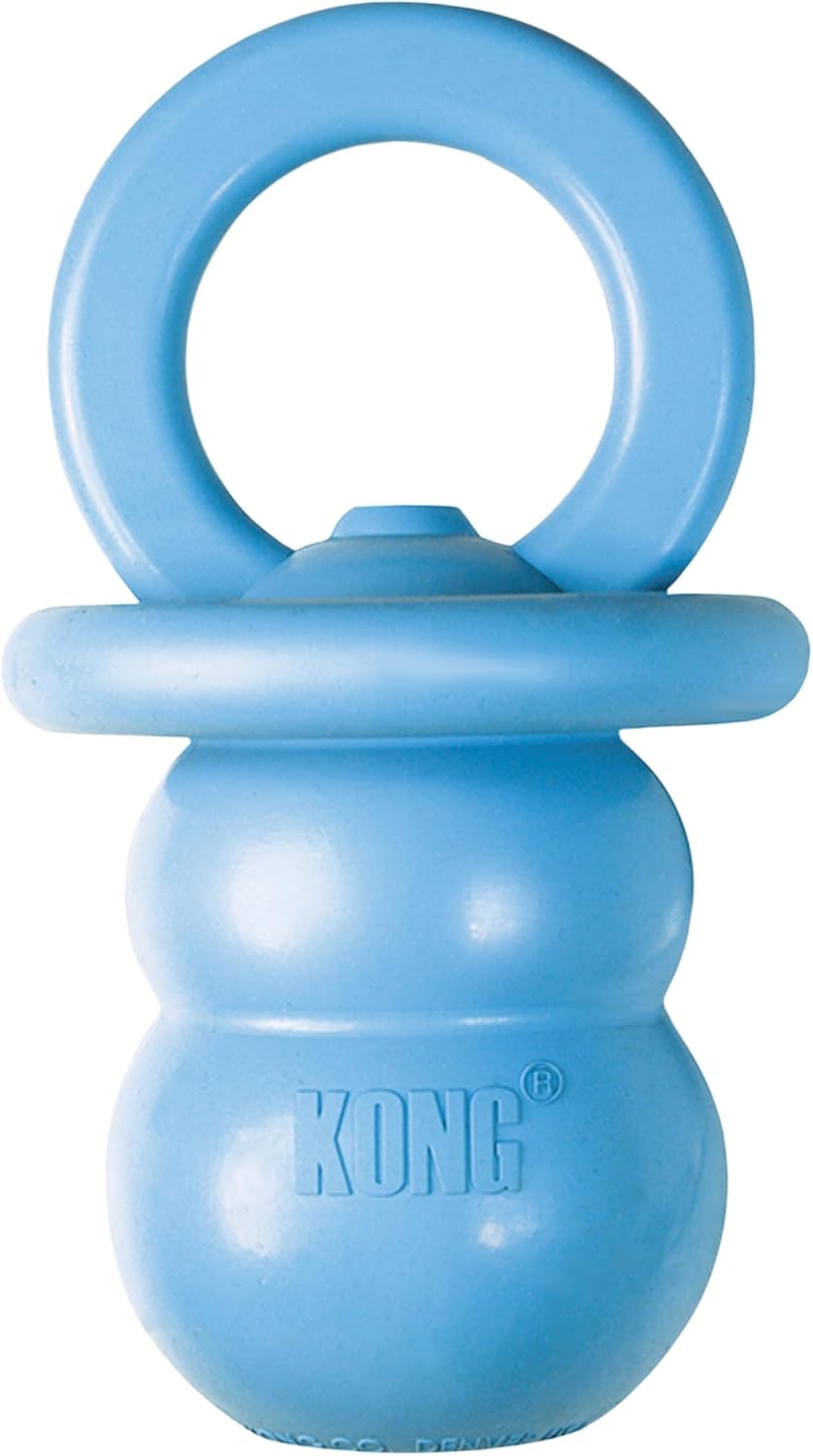
Kong Puppy Classic (Soft)
Soft rubber puppy Kong designed for baby teeth. Stuff with treats or freeze with wet food to create a calm, positive activity during new-environment exposure. Helps build positive associations.
Red Flags — Seek Professional Help
If by 12 weeks your puppy shows extreme fear, excessive hiding, or aggression (even play aggression that's hard to interrupt), consult a certified behaviourist. A puppy who freezes, hides, or bites when exposed to new things needs professional consultation — not more exposure. Over-exposure to scary stimuli creates trauma, not desensitisation.