
How Long Can You Leave a Dog Alone? (Australia Guide)
The honest answer — by age, breed, and individual dog — plus practical solutions for busy Australian dog owners.
Puppies (under 6 months) max 1–2 hours, young adults 4–6 hours, seniors varies — these are absolute maximums, not daily practice
High-energy breeds (Border Collies, Kelpies, Spaniels) struggle beyond 3–4 hours — they need midday breaks or dog care
Australia has no specific legal time limit — but animal cruelty laws apply to a dog left in distress, without water, or soiling themselves repeatedly
Affiliate Disclosure: As an Amazon Associate I earn from qualifying purchases. Product links on this page go to Amazon AU. Prices shown are approximate — check Amazon for current pricing.
- ⏰Puppies (under 6 months): max 1–2 hours. Bladder can't hold longer.
- 🐕High-energy breeds hit destructive threshold at 3–4 hours, regardless of age
- 💰Midday dog walker: $20–$40 per visit. Dramatically reduces anxiety and accidents.
- ⚖️No legal time limit in AU — but animal cruelty laws apply to dogs in distress
- 📹A pet camera shows you exactly what's happening — panic vs calm resting
You work 9–5. Your dog is home alone from 8am to 6pm. That's 10 hours. Is your dog suffering? Probably. Australia has no specific legal time limit, but animal cruelty laws apply — and more practically, a dog left too long develops anxiety, destructive behaviours, and toileting accidents.
Maximum comfortable alone time for a healthy adult dog — not 8–10 hours
Cost per midday dog walker visit — often fixes 90% of alone-time problems
When high-energy breeds (Kelpie, Collie, Husky) typically hit their stress threshold
Time Limits by Age
| Age | Maximum Alone Time | Primary Reason | Solution If You Work Full-Time |
|---|---|---|---|
| Puppy (8 wks – 6 months) | 1–2 hours | Tiny bladder, house-training critical window | Dog walker or family member midday — non-negotiable |
| Young dog (6 months – 1 year) | 3–4 hours | House-training consolidating, high energy | Midday walker or doggy daycare 3x/week |
| Adult dog (1–7 years) | 4–6 hours | Comfortable maximum for most breeds | Enrichment + midday walker for high-energy breeds |
| Senior (7+ years) | 3–5 hours (varies) | Reduced bladder control, anxiety increases | Senior dog often needs midday check-in |
Breed Matters Enormously
Warning Signs Your Dog Has Hit Their Limit
| Behaviour | What It Means | Action Required |
|---|---|---|
| Destructive behaviour (chewing furniture, scratching doors) | Stress — self-soothing through compulsive action. Not spite. | Reduce alone time or add midday enrichment |
| Excessive barking or howling (neighbours complaining) | Distress — trying to get attention or cope with anxiety | Dog walker, daycare, or separation anxiety training |
| Toileting indoors (despite being house-trained) | Stress response or urinary urgency from cortisol | Reduce alone time + midday toilet break |
| Frantic over-greeting when you return | Separation anxiety — calm dogs don't react this dramatically | Consult a behaviourist, practice calm departures/returns |
| Loss of appetite while you're gone | Anxiety is suppressing normal hunger signals | Camera to confirm, consider automatic feeder + behaviourist |
Pre-Departure Routine: Set Them Up for Success
Morning Exercise (30–60 min)
A tired dog is a calm dog. Walk or play session before you leave. High-energy breeds especially need this — they'll rest while you're gone instead of pacing and destroying.
Frozen Puzzle Toy
KONG stuffed with kibble and peanut butter, frozen overnight. Dog works on it for 20–30 minutes after you leave. By the time they finish, they're calmer and tired.
Confined Safe Space
Leave your dog in a crate or single room — not the entire house. Smaller space feels safer and limits what they can destroy. Crate must be their safe space, never a punishment.
Quiet Departure
Don't give emotional goodbye hugs or dramatic announcements. Just leave quietly. Dramatic departures increase anxiety by signalling "this is a big deal."

Furbo Pet Camera
WiFi pet camera with two-way audio and treat-tossing — lets you check on your dog and interact from your phone while at work. Shows you exactly what's happening: calm resting vs anxiety panic.
Solutions for Working Dog Owners

Automatic Dog Feeder (Timed)
Timer-controlled feeder that dispenses meals at set times — useful if you're away midday, ensures your dog eats on schedule without human presence.
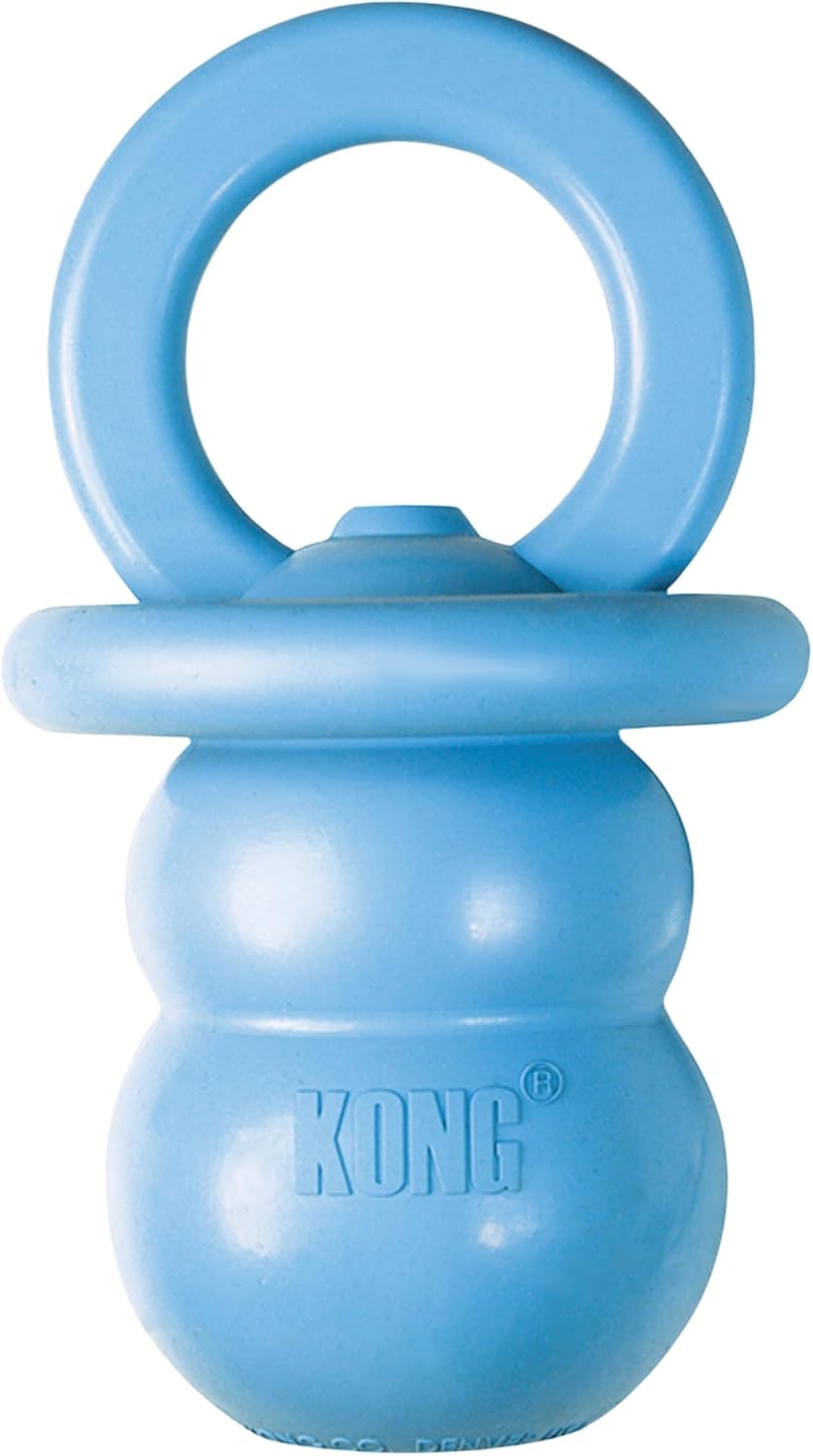
KONG Puzzle Toy (Interactive)
Multi-layer puzzle toy where your dog slides, flips, and lifts to access treats — 30–45 minutes of mental engagement that reduces stress-related behaviour while alone.

Snuffle Mat (Nosework)
Hide kibble or treats in mat layers — dog sniffs and searches. Taps into natural foraging drive and provides calming mental work while you're out.
The "Nothing Special" Departure Approach
Build alone-time tolerance with practice: leave for 5 minutes, come back, ignore your dog. Leave for 10 minutes, come back. Gradually increase. Your dog learns: leaving and returning is normal, not traumatic. Combine with enrichment toys for each departure.
Separation Anxiety Is a Mental Health Issue
If your dog panics when you leave (frantic pacing, escape attempts, vomiting), this isn't just boredom — it's a mental health condition. Exercise and enrichment help, but professional support (certified behaviourist, veterinary medication) is often needed. Consult your vet.
Transitioning Back to Office After WFH Period

Dog Door / Pet Flap (Wall or Slider Mount)
Secure dog door for independent yard access — lets your dog go outside for air and stimulation without human presence. Reduces confinement stress significantly.