
Dog Skin Allergies Australia: Causes, Symptoms & Treatment
Itchy, scratchy dogs are incredibly common in Australia. Here's what's causing it and how to get lasting relief.
Skin allergies are the third most common vet visit in Australia — types include environmental, food, contact, and flea allergy dermatitis
Signs are persistent itching (especially paws, face, armpits), red skin, hair loss, and recurring ear or yeast infections
Rule out fleas first, trial an elimination diet for food allergy, then investigate environmental triggers if needed
Affiliate Disclosure: As an Amazon Associate I earn from qualifying purchases. Product links on this page go to Amazon AU. Prices shown are approximate — check Amazon for current pricing.
- 🌾#3 reason Australians visit the vet
- 🐾~60% of cases are environmental
- 🍗Chicken is the most common food allergen
- 🦟Fleas are year-round in Australia
- 📅Diagnosis can take 8–12 weeks
If your dog scratches constantly, bites their paws, has red skin, or gets recurring ear infections — they likely have an allergy. Skin allergies are the third most common reason Australian owners visit the vet. The frustrating part is that diagnosis takes time. But once you identify the cause, management is straightforward.
of dogs with environmental allergies also develop secondary ear infections
minimum elimination diet period needed to diagnose food allergy
cost of professional allergy testing in Australia — often not needed first
The 4 Types of Dog Allergies in Australia
| Type | Prevalence | Main Australian triggers | Seasonal? |
|---|---|---|---|
| Environmental (atopic) | 60–70% of allergic dogs | Buffalo grass, ryegrass pollen, dust mites, mould | Often worse Oct–Feb |
| Food allergy | 10–15% of allergic dogs | Chicken, beef, wheat, dairy, soy | Year-round, not seasonal |
| Flea allergy dermatitis | 15–20% of allergic dogs | Flea saliva — even one bite triggers reaction | Year-round (fleas don't hibernate in AU) |
| Contact allergy | Rarer | Cleaning products, treated grass, certain fabrics | Depends on exposure |
Allergy vs Normal Scratching — Know the Difference
| Feature | Normal scratching | Allergy |
|---|---|---|
| Frequency | Occasional, brief | Frequent and prolonged throughout the day |
| Location | Random, full body | Concentrated: paws, face, armpits, ears, groin |
| Season | No pattern | Worse in spring/summer OR constant year-round |
| Skin condition | Normal or slightly dry | Redness, flaking, hair loss, darkened or thickened skin |
| Secondary issues | None | Recurring ear infections, yeast skin infections, hot spots |
FAD is the most commonly missed allergy
Many owners dismiss flea allergy dermatitis because they "don't see fleas." But FAD can occur with just one or two bites. If itching is concentrated over the lower back and tail base — start flea prevention immediately and see if it improves before doing anything else.
How to Diagnose — In This Order
Follow this sequence to avoid expensive testing you may not need
Step 1: Rule Out Fleas Completely
Start year-round flea prevention (Bravecto, NexGard Spectra) even if you don't see fleas. Give it 2–3 months of consistent use. If itching significantly improves, FAD was the cause and you're done. This costs ~$60 and saves months of investigation.
Step 2: Trial an Elimination Diet (if year-round itching)
Feed a single novel protein + carbohydrate your dog has never eaten (kangaroo + sweet potato, or fish + rice) for 8–12 weeks. Zero treats, flavoured medications, or table scraps. If itching improves, reintroduce foods one at a time to identify the specific trigger.
Step 3: Consider Allergy Testing (if previous steps didn't help)
Serum IgE blood test ($200–400 AUD) or intradermal skin testing ($500–800 AUD, requires a veterinary dermatologist). These identify environmental allergens and guide immunotherapy — the only treatment that can produce long-term remission.
Where Your Dog Itches = Clues to the Cause
Treatment Options — From Mild to Severe
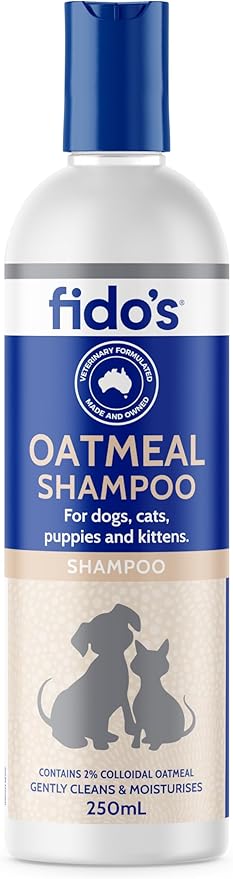
Hypoallergenic Dog Shampoo
Fragrance-free, gentle formula for allergic and sensitive skin. Removes allergens from the coat and skin surface, soothes inflammation, and doesn't strip natural oils. Bathe weekly during flare-ups.
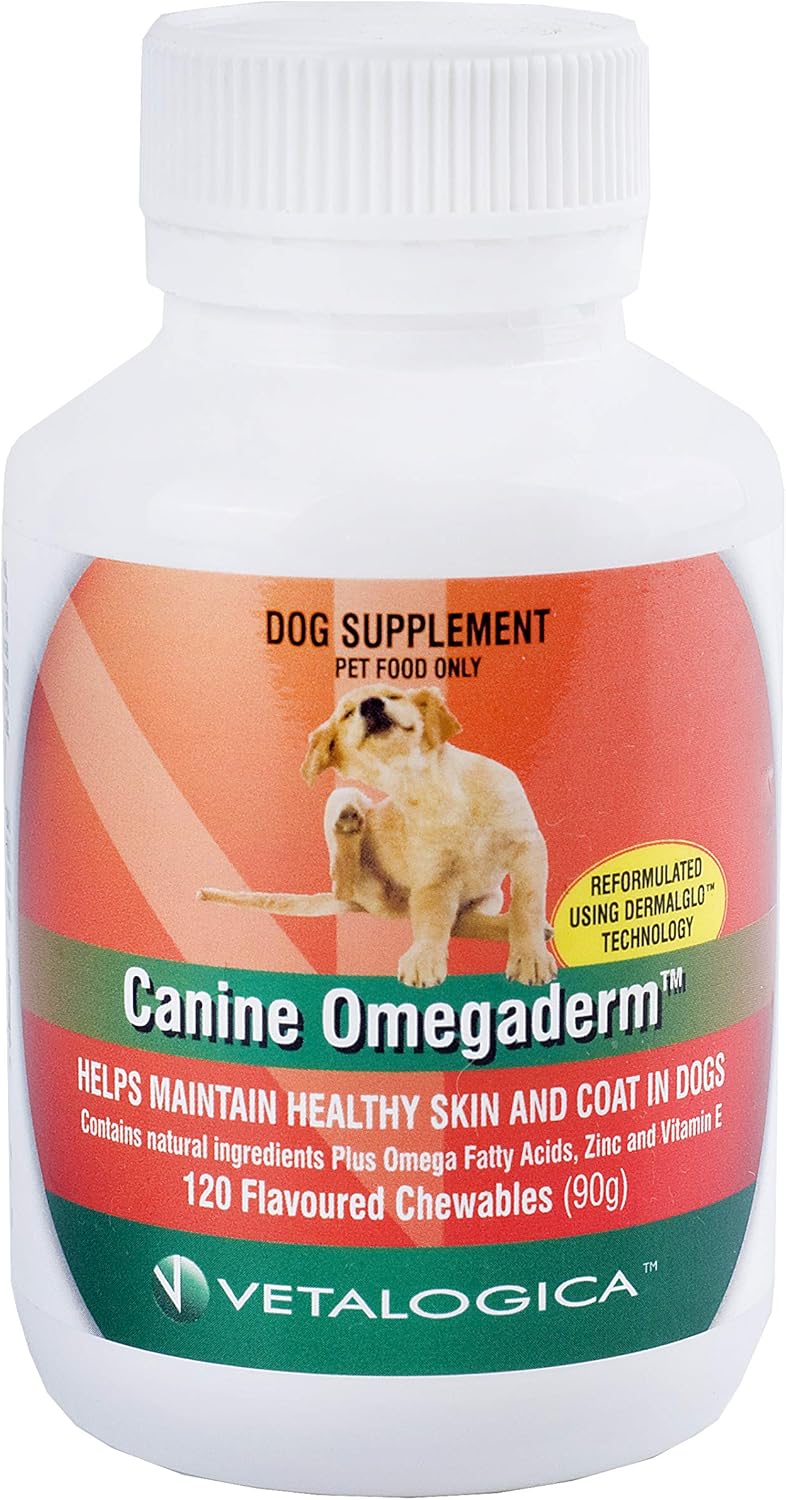
Omega-3 Fish Oil Supplement for Dogs
High-potency EPA and DHA fish oil reduces allergic inflammation, supports skin barrier function, and reduces itching. Takes 4–6 weeks to reach full effect. Safe for long-term use.

Hydrocortisone Spray for Dogs
Fast-acting topical steroid spray for localised hot spots and acute flare-ups. Use for spot relief on affected areas. Avoid long-term use — it thins skin over time.
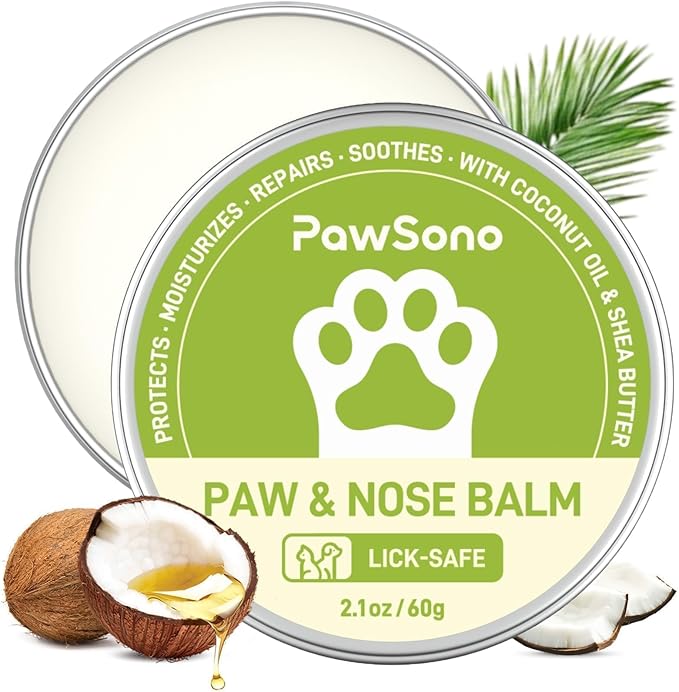
Skin-Soothing Balm for Dogs
Natural, fragrance-free balm with anti-inflammatory properties for irritated paws, hot spots, and tender skin. Paw-safe formulation — dogs can lick it without harm.
Long-Term Management by Allergen Type
Secondary infections are the most painful complication
Allergic dogs that scratch break their skin barrier, letting bacteria and yeast in. If your dog suddenly smells worse, has thicker or darker skin, or intensifies scratching despite treatment — a secondary infection has developed. This requires separate treatment (antifungal or antibiotic) alongside allergy management. Don't assume more scratching means the allergy is worse — it may be a new infection on top.