
Is My Dog Overweight? The Australian Guide to Dog Obesity
Over half of Australian dogs are overweight. Here's how to tell, what it costs their health, and the exact plan to fix it.
Over 50% of Australian dogs are overweight — use body condition scoring to assess: ribs should be palpable but not visible, waist visible from above
Excess weight shortens lifespan by 2–3 years, increases arthritis, diabetes, and heart disease risk dramatically
Weight loss is 70% diet (calorie reduction) and 30% exercise — measure every meal, eliminate treats, switch to lower-calorie food
Affiliate Disclosure: As an Amazon Associate I earn from qualifying purchases. Product links on this page go to Amazon AU. Prices shown are approximate — check Amazon for current pricing.
- 📊56% of AU dogs are overweight
- ⏳2–3 fewer years of life
- 🦴5× higher arthritis risk
- 🍽️70% diet, 30% exercise
- 📐Measure every meal — no guessing
More than half of Australian dogs are overweight. It's the single most preventable health problem in dogs — yet it's rarely discussed. An overweight dog doesn't just look stockier; they live shorter, more painful lives.
fewer years that overweight dogs live compared to lean dogs of the same breed
higher risk of osteoarthritis in dogs carrying excess weight
per year cost of managing diabetes — the most common obesity complication
Is Your Dog Actually Overweight? The BCS Test
Don't go by the scales alone — use body condition scoring
Weight alone is misleading because of breed variation. A 35 kg Labrador may be ideal weight; a 35 kg Beagle is dangerously obese. Body condition scoring (BCS) is what your vet uses — and you can do it at home in 30 seconds.
| BCS | Condition | Ribs | Waist from above | Abdomen |
|---|---|---|---|---|
| 1–2 | Underweight | Prominent, visible | Severe hourglass | Severely tucked |
| 3–5 | ✅ Ideal | Easily felt, not visible | Clear waist visible | Slight tuck |
| 6–7 | Overweight | Harder to feel, fat layer | No visible waist | Slight sag |
| 8–9 | Obese | Cannot feel | No waist, rounded | Heavy fat pad |
Place both hands on your dog's ribcage. Press lightly with your fingertips. You should feel individual ribs easily — if you need to press hard, there's excess fat. Look down from above: a visible waist between the ribs and hips means healthy weight. No waist = overweight.
Why Australian Dogs Are So Overweight
The True Health Cost of Obesity
The Weight Loss Plan — Step by Step
Do all 5 — skipping any one of them is why most plans fail
Calculate daily calorie target
Formula: RMR = 70 × (weight in kg)^0.75. Then feed 60–70% of RMR for weight loss. Example: 30 kg Labrador: 70 × 30^0.75 = 675 cal. Feed 405–470 cal/day. Or ask your vet to calculate it at your next visit.
Switch to lower-calorie food
Weight management foods run 300–350 cal/cup vs 400+ cal/cup for standard food. Higher fibre makes dogs feel fuller while eating less. Transition gradually over 7 days to avoid digestive upset.
Measure every single meal
No eyeballing. Use a measuring cup for every meal. Most owners overpour by 30–50% when guessing. Set the daily portion in the morning and don't exceed it. Feed 2 meals/day, not free-feeding.
Eliminate treats and scraps entirely
The biggest sabotage. During active weight loss, eliminate all treats. When dog weight drops to target, reintroduce low-calorie options (carrot sticks, apple slices) counted within daily calorie limit. Tell every family member: no exceptions.
Increase exercise gradually
Start with 10–15 min walks, building to 30–45 min daily over 4–6 weeks. Overweight dogs have joint pain and tire easily. Swimming is ideal: zero joint impact, high calorie burn. In summer, exercise before 8am or after 6pm only.

Hill's Prescription Diet Weight Management
Veterinary-grade weight loss food with high fibre to keep dogs feeling full, reduced calories, and muscle-sparing protein. The clinical standard for canine weight loss in Australia.

Slow Feeder Bowl
Built-in ridges force dogs to eat slowly, increasing satiety signals before the meal is finished. Dogs feel fuller eating the same amount. Also prevents bloat in large breeds.
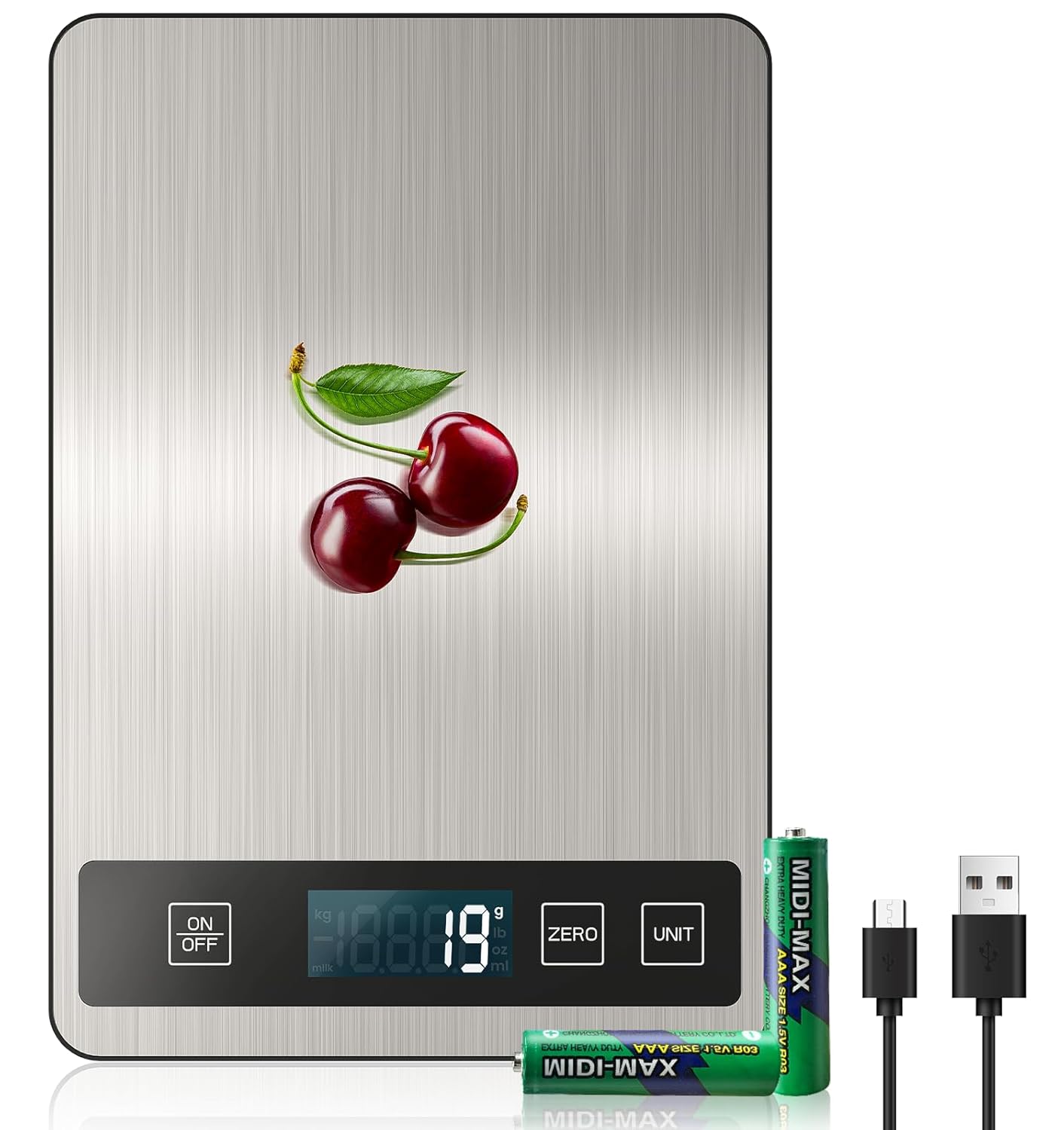
Dog Food Measuring Cup Scoop
Accurate dual-marked measuring cup for portioning dry kibble by both cups and grams. The single most impactful tool for portion control — most owners are shocked how much they've been overpouring.
What to Expect — Realistic Timeline
| Timeframe | What happens | Milestone to check |
|---|---|---|
| Week 1–2 | Increased hunger, begging behaviour | Dog is eating correct portions without vomiting |
| Week 3–4 | Energy may increase slightly | Dog willing to walk slightly further |
| Month 1–2 | 1–3 kg lost depending on size | Ribs starting to become easier to feel |
| Month 2–3 | Reduced stiffness, more activity | Visible waist emerging |
| Month 3–5 | Approaching target weight | Blood glucose and blood pressure may normalise |
Common reasons weight loss fails
Cutting calories too aggressively (below 60% RMR) causes weakness and muscle loss. Not counting treats — even one biscuit/day can halt progress for a small dog. Family members sneaking food undermines the whole plan. Losing patience and going back to old portions. Weight loss in dogs takes months — weigh monthly, not weekly.