Reference guide
Travelling with Your Dog by Car in Australia — Safety Gear & Long Trip Tips
In Australia, unrestrained dogs in cars are illegal in some states and dangerous everywhere. Here's how to travel safely with your dog.

NSW, VIC, and QLD have laws requiring dogs to be restrained in moving vehicles; fines start at AUD $300+
Crash-tested harnesses reduce injury by 85%+ in collisions; never rely on loose dogs or unbelted harnesses
Australian summer car temps exceed 50°C in minutes; dehydration and heat stroke are real and rapid
Key numbers
- $385
- NSW fine + 3 demerit points for unrestrained dog in vehicle
- 50°C+
- Car temp on a 35°C day within 10 minutes — fatal for dogs in minutes
- 85%
- Reduction in crash injury with a crash-tested harness vs no restraint
NSW
- Law
- Dogs must be restrained by harness, lead, or crate
- Fine
- $385 + 3 demerit pts
- Notes
- Driver liable if unrestrained dog causes accident
VIC
- Law
- Dogs must be secured in harness, lead, or crate
- Fine
- Up to $347
- Notes
- Owner responsible for dog's safety and safety of others
QLD
- Law
- Laws tightening — Brisbane/Gold Coast stricter
- Fine
- Up to $430 in some areas
- Notes
- Restraint strongly recommended; check local council
SA / WA
- Law
- Animal welfare legislation applies
- Fine
- Varies by council
- Notes
- Unrestrained dog can be seized
TAS / NT / ACT
- Law
- General welfare laws apply
- Fine
- Varies
- Notes
- Safe restraint is best practice everywhere
| State | Law | Fine | Notes |
|---|---|---|---|
| NSW | Dogs must be restrained by harness, lead, or crate | $385 + 3 demerit pts | Driver liable if unrestrained dog causes accident |
| VIC | Dogs must be secured in harness, lead, or crate | Up to $347 | Owner responsible for dog's safety and safety of others |
| QLD | Laws tightening — Brisbane/Gold Coast stricter | Up to $430 in some areas | Restraint strongly recommended; check local council |
| SA / WA | Animal welfare legislation applies | Varies by council | Unrestrained dog can be seized |
| TAS / NT / ACT | General welfare laws apply | Varies | Safe restraint is best practice everywhere |
25°C
- Car Temp at 10 min
- ~38°C
- Car Temp at 30 min
- ~45°C
- Risk Level
- Dangerous for elderly/brachycephalic dogs
30°C
- Car Temp at 10 min
- ~44°C
- Car Temp at 30 min
- ~52°C
- Risk Level
- Dangerous for all dogs within 15 minutes
35°C
- Car Temp at 10 min
- ~50°C
- Car Temp at 30 min
- ~60°C
- Risk Level
- Potentially fatal within 10 minutes
40°C
- Car Temp at 10 min
- ~55°C+
- Car Temp at 30 min
- 70°C+
- Risk Level
- Fatal within minutes for any dog
| Outside Temp | Car Temp at 10 min | Car Temp at 30 min | Risk Level |
|---|---|---|---|
| 25°C | ~38°C | ~45°C | Dangerous for elderly/brachycephalic dogs |
| 30°C | ~44°C | ~52°C | Dangerous for all dogs within 15 minutes |
| 35°C | ~50°C | ~60°C | Potentially fatal within 10 minutes |
| 40°C | ~55°C+ | 70°C+ | Fatal within minutes for any dog |
Affiliate Disclosure: As an Amazon Associate I earn from qualifying purchases. Product links on this page go to Amazon AU. Prices shown are approximate, check Amazon for current pricing.
A road trip with your dog can be one of life's best adventures — beach days, hiking trips, visits to dog-friendly cafes. But an unrestrained dog in a moving car is a safety disaster. In a crash, an unsecured dog becomes a projectile. In Australian heat, a parked car becomes a lethal oven in under 10 minutes. Here's how to travel safely.
Australian Road Laws by State
Crash-Tested vs Standard Harnesses
- Standard walking harness in a car
- Not tested for impact. At 60km/h, forces are extreme — straps can snap, your dog becomes a projectile.
- Crash-tested car harness
- Engineered with reinforced metal buckles and impact-rated webbing. Tested at high speeds. Reduces injury by 85%+.
- Boot barrier alone (no harness)
- Keeps dog out of the cabin but doesn't prevent injury within the cargo area. Barrier + harness = maximum protection.
- The 900kg projectile rule
- A 30kg dog at 60km/h = 900kg of force in a sudden stop. Crash-tested restraints are designed for this. Standard ones are not.

Best Safety Rating
Kurgo Tru-Fit Impact Harness
Crash-tested to simulate high-speed collisions. Metal buckles, reinforced stitching, three-point attachment. Used by K-9 units. The gold standard for car safety — not just a walking harness with a seat belt loop.
- Crash-tested at high speeds
- Metal buckles and reinforced stitching
- Three-point attachment — extremely secure
- Fits front, middle, or rear seats
- Adjustable for all dog sizes
- Washable design

Ruffwear Load Up Car Harness
Premium car-specific harness with dual leash attachment points for redundancy. Neoprene padding for comfort on long drives. Designed for active dogs who travel frequently in Australian conditions.
- Dual attachment points for redundancy
- Neoprene padding for comfort
- Works with most car seat belt systems
- Lightweight design
- Great for frequent travellers

Dog Car Barrier / Cargo Guard
Adjustable metal barrier that seals the rear cargo area. Prevents dogs from jumping into front seat during driving and from escaping into traffic during stops. Pair with a harness for maximum protection.
- Adjustable metal frame
- Fits most modern vehicles
- Prevents forward movement into cabin
- Creates safe contained cargo zone
- Pairs with harness for maximum safety

Dog Car Seat Cover Hammock
Waterproof hammock cover that protects your entire back seat. Attaches to front and rear headrests — keeps your dog contained, prevents them sliding onto the floor, and protects upholstery.
- Waterproof and stain-resistant
- Hammock style prevents floor sliding
- Adjustable straps fit most vehicles
- Non-slip backing
- Machine washable
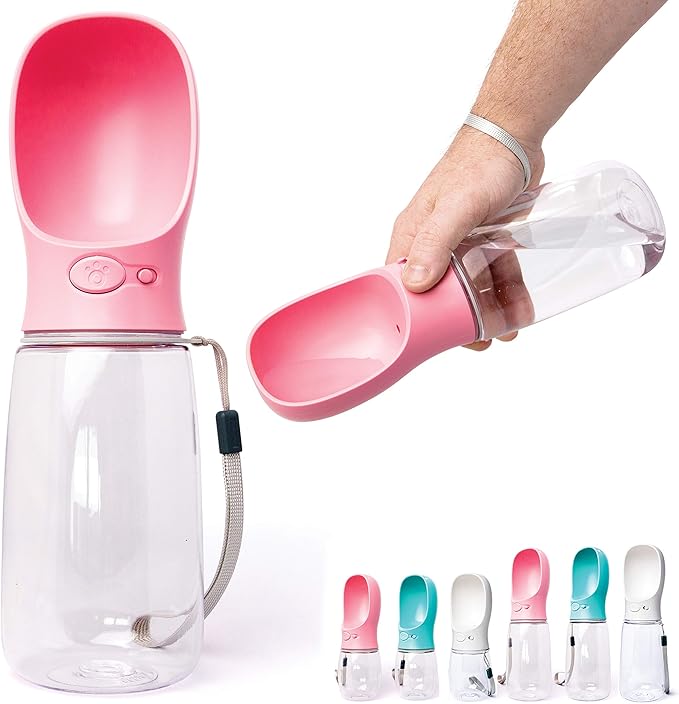
Springer Travel Dog Water Bottle & Feeder
Compact portable water bottle with integrated bowl for rest stops. Essential for Australian long drives — dehydration compounds heat stress rapidly. Spill-proof, dishwasher-safe bowl, clips to seat.
- Compact and spill-proof design
- Integrated bowl for drinking
- Dishwasher-safe bowl
- Perfect for rest stop breaks
- Lightweight and portable
Australian Heat: The Silent Killer
Long Trip: Pre-Drive Checklist
- 1
Vet check before long trips
Senior dogs need heart/joint checks. Brachycephalic breeds (Pugs, Bulldogs) are high heat risk — check fitness before long drives.
- 2
No food 2 hours before
Reduces car sickness. A full stomach + travel motion = nausea. Offer a small meal 2+ hours before departure.
- 3
Water always available
Keep a portable water bottle accessible. Offer water every 30–45 minutes at service stops.
- 4
AC on for the whole drive
Not just when you think they're hot. Keep AC running throughout — your dog can't communicate early overheating.
- 5
Stop every 2 hours
Minimum 15-minute stops for walking, water, and toileting. Prevents muscle stiffness and overheating.
Car Sickness & Motion Stress
- Symptoms of car sickness
- Yawning, drooling, whining, vomiting. Usually improves with exposure — short trips build tolerance over weeks.
- Reduce car sickness
- No food 2 hours before. Window cracked for fresh air. Forward-facing position reduces nausea. Ginger treats can help.
- Severe car sickness
- Ask your vet about anti-nausea medication (Cerenia). Safe and very effective for severe cases — worth it for long trips.
- Brachycephalic breeds (Pugs, Bulldogs, Frenchies)
- Already compromise on breathing. Car travel in heat is extremely risky. Travel only in the coolest part of the day, keep AC high, and avoid travel in summer entirely.
Common questions
Is a standard harness okay for car travel, or do I need a crash-tested one?
Standard walking harnesses aren't tested for impact. At 60km/h, forces are extreme — straps can snap, your dog becomes a projectile. Crash-tested harnesses like Kurgo are engineered for safety. Worth the extra cost.
Can I let my dog sit on my lap while driving?
No. In all Australian states, this violates restraint laws and is extremely dangerous. A dog on your lap is a distraction and a projectile in a crash. Always restrain your dog in the rear.
What's the safest place for my dog in the car?
The rear cargo area with a barrier, secured by a crash-tested harness. This keeps them away from airbags (which can injure dogs) and away from the driver's line of sight.
How often should I stop on a long drive?
Every 2 hours. Let your dog out (in a safe, fenced area), offer water, and allow a toilet break. This prevents deep vein thrombosis and heat stress.
My dog gets car sick. What should I do?
Avoid feeding 2–3 hours before travel. Use ginger treats or ask your vet about motion sickness medication (Cerenia). Shorter trips help build tolerance. Window cracked for fresh air also helps.
Can I leave my dog in a parked car with the air con running?
Not recommended. AC systems can fail, and it's still illegal to leave a dog unattended in a vehicle in most states. Always take your dog with you or leave them at a dog-friendly cafe or your accommodation.