
Best Dog Winter Coats Australia 2026: Vet-Tested for Cold Mornings
From frosty Melbourne mornings to alpine NSW winters — the dog coats and jackets actually worth buying in Australia.
Small, short-coated, senior, or sick dogs benefit most from winter coats — Labradors and Huskies usually don't need one
Best all-rounder: Ruffwear Cloud Chaser for wet southern winters; EzyDog Element Jacket for budget pick
Fit matters more than brand — measure neck, chest, and back length before buying. A loose coat is useless and dangerous
Affiliate Disclosure: As an Amazon Associate I earn from qualifying purchases. Product links on this page go to Amazon AU. Prices shown are approximate — check Amazon for current pricing.
- 🌡️Most dogs need a coat below 7°C — earlier for small/short-coated breeds
- 🐩Small breeds + short coats = highest priority
- 🌧️Waterproof matters more than warmth in coastal AU
- 📏Measure neck, chest, back — fit beats brand
- 💰Quality coat costs $40–$120 AUD
Australian winters are gentler than the northern hemisphere — but not for all dogs. Small breeds, short-coated breeds, seniors, puppies, and dogs recovering from illness genuinely struggle when temperatures drop below 7°C. In Melbourne, Canberra, Hobart, and the NSW Southern Highlands, winter morning walks can be cold and wet enough to cause real discomfort. The right jacket transforms morning walks from a fight into a routine.
temperature at which most small dogs start showing cold stress signs
of Australian dog owners report their dog dislikes winter walks without a coat
lifespan of a quality dog jacket with regular washing and use
Does Your Dog Actually Need a Coat?
Not every dog needs a winter coat
Labradors, Golden Retrievers, Huskies, Samoyeds, and German Shepherds are built for cold. Forcing a coat onto these breeds during mild AU winter is unnecessary and can cause overheating. Coats are for dogs whose biology genuinely struggles in cold or wet weather.
| Dog type | Needs a coat? | When |
|---|---|---|
| Small breeds (under 10kg) | Yes | Below 10°C or in rain |
| Short-coated breeds (Boxer, Greyhound, Whippet) | Yes | Below 12°C — coats lack insulation |
| Senior dogs (8+ years) | Yes | Below 10°C — circulation declines with age |
| Puppies (under 6 months) | Yes | Below 12°C until adult coat develops |
| Sick or recovering dogs | Yes | Per vet advice |
| Double-coated breeds (Husky, GSD) | No | Built-in insulation already optimal |
| Thick-coated breeds (Labrador, Golden) | Rarely | Only in heavy rain or strong wind |
| Cavoodle, Poodle mixes | Often yes | Curly coats provide poor insulation when wet |
Best Overall — Wet Southern Winters

Ruffwear Cloud Chaser Dog Jacket
The benchmark dog jacket for wet, cold conditions. Soft-shell waterproof and windproof exterior with stretchy four-way fabric for full mobility. Designed for active dogs that walk, hike, or run in genuine cold. Premium build, premium price.
Best Budget — Under $50
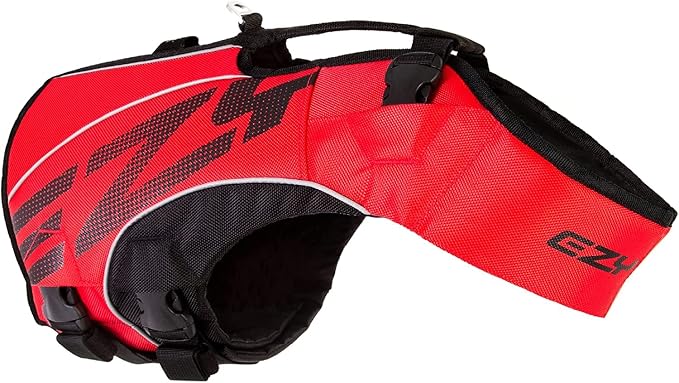
EzyDog Element Dog Jacket
Australian-designed for Australian winters. Water-resistant, windproof, with a reflective trim and harness opening. Hits the sweet spot of price and performance. The most-sold dog jacket in Australian pet shops for a reason.
Best for Small Breeds — Toy Poodles, Cavoodles, Maltese

Kazoo Active Dog Coat
Lightweight, well-fitted coat designed specifically for the proportions of small Australian dog breeds. Soft fleece-lined inner with water-resistant outer. Easy belly closure for quick on/off — critical for fidgety small dogs.
Best for Alpine and Cold Climates — Canberra, Hobart, NSW Highlands

Hurtta Extreme Warmer
Finnish-designed for genuine cold weather. Insulated to -20°C with a windproof outer shell. Overkill for Sydney, essential for early-morning Canberra walks in July. Comes with thermal lining and high collar to protect ears.
Best Pure Raincoat — Coastal Australia

Waterproof Dog Raincoat with Hood
Lightweight breathable rain shell — not insulated, just waterproof. Perfect for coastal NSW, QLD, and WA where it's wet but rarely cold. Packs into a small pouch for unexpected showers on walks.
How to Measure Your Dog for a Coat
Three measurements — get all three
Back length (most important)
Measure from the base of the neck (where the collar sits) to the base of the tail. This is the single most important measurement — coats that are too long restrict back legs and bunch up at the tail.
Chest girth
Wrap a soft tape around the widest part of the chest, just behind the front legs. This is where dogs are largest. A coat that fits the back length but is tight on the chest will rub raw under the armpits.
Neck circumference
Measure around the base of the neck where a collar would sit. Important for jackets with a closed neck — too tight chokes, too loose lets in cold air and rain.
Two-finger rule for fit
You should comfortably fit two fingers between the coat and your dog at every point — neck, chest, and waist. Tighter is dangerous (restricts breathing or circulation). Looser lets in cold and risks the coat slipping off or catching on things.
Common Winter Coat Mistakes
Winter walking essentials
- Coat fits per two-finger rule at neck, chest, and waist
- Coat has harness opening for safe walking
- Reflective elements visible for dark mornings
- Waterproof outer if you walk in coastal areas
- Wash coat every 4–6 weeks
- Remove coat immediately when entering heated indoor space
- Check skin under coat weekly for rubbing or irritation