Buying guide
Best Dog Training Treats in Australia 2025 — Small, Smelly & Effective
The best training treat is the one your dog goes crazy for. Here's what actually motivates dogs and which Australian products are worth buying.
5 picks, 6 min read

Our top picks
- 1

Zuke's Mini Naturals (Chicken or Salmon)
View on Amazon - 2
Black Dog Training Treats
View on Amazon - 3

VitaPet Training Jerkies
View on Amazon - 4
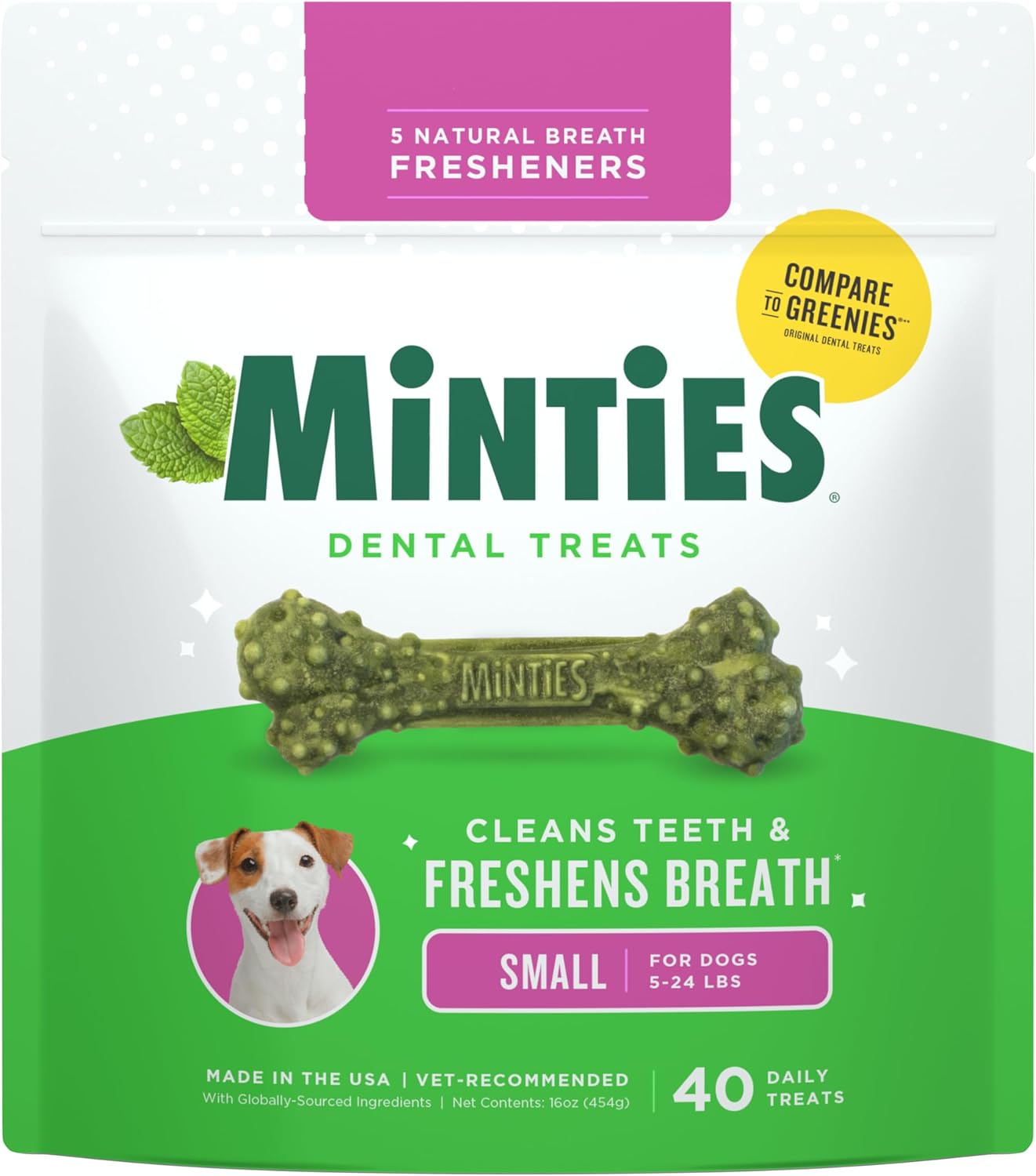
VetIQ Minties Training Treats
View on Amazon - 5

Doggone Good Training Treat Pouch
View on Amazon
Compare at a glance
Small (pea-sized)
- Why it matters
- Training is fast — your dog eats, refocuses, next rep. Large treats break the rhythm
- What to avoid
- Biscuits, whole treats, anything that takes more than 1 second to eat
Soft texture
- Why it matters
- Swallowed immediately — no chewing delay, no crunching noise in training class
- What to avoid
- Hard kibble, crunchy biscuits, anything that crumbles
Strong smell
- Why it matters
- Smell is motivation for dogs — liver, fish, cheese trigger highest drive
- What to avoid
- Plain kibble, unflavoured treats, anything that doesn't smell interesting
Low calorie
- Why it matters
- You'll give dozens per session — low-cal treats let you reward frequently without weight gain
- What to avoid
- High-fat or high-calorie treats that limit how many you can give
| Criterion | Why it matters | What to avoid |
|---|---|---|
| Small (pea-sized) | Training is fast — your dog eats, refocuses, next rep. Large treats break the rhythm | Biscuits, whole treats, anything that takes more than 1 second to eat |
| Soft texture | Swallowed immediately — no chewing delay, no crunching noise in training class | Hard kibble, crunchy biscuits, anything that crumbles |
| Strong smell | Smell is motivation for dogs — liver, fish, cheese trigger highest drive | Plain kibble, unflavoured treats, anything that doesn't smell interesting |
| Low calorie | You'll give dozens per session — low-cal treats let you reward frequently without weight gain | High-fat or high-calorie treats that limit how many you can give |
Affiliate Disclosure: As an Amazon Associate I earn from qualifying purchases. Product links on this page go to Amazon AU. Prices shown are approximate, check Amazon for current pricing.
A training treat is a tool, not a snack. When you're teaching a new command, the treat is what makes your dog think "I want to nail this." Use the wrong treat — a stale biscuit, a kibble piece, anything boring — and your dog's attention goes elsewhere. Here's what actually works.
The 4 Criteria for a Great Training Treat
The Dog Motivation Hierarchy — Match Treat Value to Task Difficulty
- 🔴 Maximum value (recall, complex skills, distracting environments)
- Real cooked meat (chicken breast, liver), cheese — raw or cooked, pea-sized. Use only for hardest skills
- 🟠 High value (new skills, puppy training, fearful dogs)
- Zuke's Mini Naturals, Black Dog Treats — soft, smelly, purpose-made training treats
- 🟡 Medium value (maintenance training, known commands)
- VitaPet Training Jerkies torn small, low-calorie soft treats — for commands your dog already knows
- ⚪ Low value (already mastered commands, low-distraction environments)
- Kibble pieces, plain rice cakes — only useful if your dog is highly food-motivated and the task is easy
Best Training Treats Available in Australia
Zuke's Mini Naturals (Chicken or Salmon)
The professional trainer's standard in Australia. Pea-sized, soft, and aromatic. Chicken flavour is accepted by virtually every dog. Salmon version is higher value for more demanding dogs. Low-calorie per treat — you can give many per session.
- Pea-sized — instant swallow
- Soft and aromatic
- Low calorie (3.5 cal each)
- Multiple flavours — chicken most universal
Black Dog Training Treats
Australian-made in chicken, beef, and liver flavours. Soft, properly sized, and no artificial colours. The best local alternative to Zuke's — supports Australian manufacturing and available at most Petbarn stores.
- Australian-made
- Chicken, beef, and liver flavours
- Soft and chewy
- No artificial colours or flavours
VitaPet Training Jerkies
Soft jerky strips you tear into pea-sized pieces. Smelly and motivating — higher value than standard commercial treats. Good for owners who want to adjust treat size themselves. Budget-friendly option available at every Petbarn.
- Tear into custom sizes
- Soft jerky texture
- Highly palatable
- Budget-friendly — available everywhere
VetIQ Minties Training Treats
Ultra-low calorie training treats — good for overweight dogs or high-volume training sessions where you're giving many treats. Small enough to not need cutting. Best for puppy training where you're rewarding every 30 seconds.
- Ultra-low calorie
- Tiny size — no cutting needed
- Soft texture
- Good for high-volume training sessions
Doggone Good Training Treat Pouch
Keeps treats accessible and hands-free during training. Multiple compartments let you carry different value treats simultaneously. Waterproof lining for soft treats. Makes training sessions significantly more efficient.
- Hands-free design
- Multiple compartments for different treat values
- Waterproof lining
- Belt clip and wrist strap options
Which Treats for Which Situations
- 📣 Recall training (off-lead)
- Maximum value treats only — cooked liver or salmon-based treats. Your dog is competing with the whole world's distractions
- 🐶 Puppy training (under 4 months)
- Tiny pieces of Zuke's or VetIQ Minties — small stomach, small treats, many repetitions
- 😰 Fearful or anxious dogs
- Smelliest treats available — anxious dogs may refuse medium-value treats when stressed. High-value food can override anxiety
- 🏆 Competition or advanced work
- Real cooked meat (chicken breast, beef, lamb) cut to pea size — maximum possible value for maximum precision
- ⚖️ Overweight dogs in training
- VetIQ Minties or carrot pieces (5 cal each) — reward frequently without adding significant calories
Tracking Treat Calories — The Most Overlooked Step
- 🔢 Count treats per session
- Most owners dramatically underestimate how many treats they give — count them once to calibrate your awareness
- 📉 Reduce kibble on training days
- If giving 50+ treats in a session, reduce the main meal proportionally to stay within daily calorie budget
- 🔄 Fade treats over time
- Once a command is reliable, shift from continuous reward (every rep) to variable reward (every 3rd–5th rep). Maintains behaviour with fewer treats
Common questions
Why won't my dog care about training treats?
Usually the treats aren't high-value enough, or your dog is getting treats freely throughout the day and they've lost scarcity value. Try liver or salmon-based treats (smellier = more motivating). If your dog refuses all treats when distracted, lower the distraction level first — get reliability in quiet environments before adding challenges.
Can I use regular kibble as training treats?
Only if your dog is highly food-motivated and the task is easy. Kibble is boring because it's always available. For new skills, recall, or training in distracting environments, you need something your dog finds genuinely exciting. Boring treats produce boring engagement.
How many treats should I use per training session?
As many as it takes — then adjust kibble accordingly. A 10-minute session may use 20–50 small treats. Count them and factor into daily intake. If you're doing intensive training, use the smallest, lowest-calorie treats (VetIQ Minties, carrot pieces) to allow high frequency without overfeeding.
Are freeze-dried treats good for training?
Yes — freeze-dried liver and meat are extremely smelly and motivating. They dissolve quickly in the mouth so they don't slow rhythm. Downside: more expensive than soft treats. Great for recall training or working with anxious dogs. Worth having in rotation alongside standard training treats.
My dog is overweight. Can I still use training treats?
Yes — use ultra-low calorie treats (VetIQ Minties, carrot pieces at 5 cal each, apple pieces) and count them against daily intake. Reduce kibble meals on training days. Some owners train before a meal and count the training treats as part of that meal — this works well for very food-motivated dogs.
Should I use the same treat brand every session?
No — rotate 2–3 brands to maintain novelty and prevent your dog from adapting and becoming less excited. Reserve your highest-value treat (liver, Zuke's) for new skills and recall. Use medium-value treats for maintenance training. Variety keeps motivation high across weeks of consistent training.