
Best Dog Harnesses in Australia 2025 — No-Pull, Puppy & Adventure
Collars can damage your dog's trachea if they pull. A good harness is safer, kinder, and more effective — here's how to pick one.
Front-clip harnesses reduce pulling by 80%+ without choking or tracheal damage
Back-clip harnesses suit well-trained dogs; front-clip is essential for pullers
Australian heat demands breathable mesh or neoprene materials to prevent rubbing and overheating
Affiliate Disclosure: As an Amazon Associate I earn from qualifying purchases. Product links on this page go to Amazon AU. Prices shown are approximate — check Amazon for current pricing.
- 🫁Collar pulling causes tracheal collapse — irreversible and costs $3,000–$8,000 to treat
- ⬆️Front-clip harnesses reduce pulling by 80%+ through physics, not punishment
- 📐Two-finger rule: fit two fingers between harness and skin — not more, not less
- 🌡️Choose neoprene or mesh in Australian heat — cotton and thick fabric trap sweat
- 🐕Start from 6–8 weeks — introduce indoors with treats before first walk
When your dog pulls on a collar, all force concentrates on their trachea — the delicate windpipe running down the neck. Over time, this causes tracheal collapse, a painful and expensive condition especially common in small breeds. Harnesses distribute force across the chest and shoulders, eliminating neck pressure entirely. A good harness is one of the simplest and most effective investments you'll make.
Cost to treat tracheal collapse vs $50–$200 for a harness
Reduction in pulling with front-clip harness compared to collar or back-clip
Earliest age to introduce a harness for positive association
Tracheal Collapse Reality
Tracheal collapse is irreversible and progresses over time. Treatment costs AUD $3,000–$8,000+ for tracheal stents. It's especially common in small breeds (Chihuahuas, Yorkshire Terriers, Pomeranians, Maltese). Prevention with a harness costs AUD $50–$200. The maths is clear.
Front-Clip vs Back-Clip vs Dual-Clip
| Type | How It Works | Best For | Pulling Control |
|---|---|---|---|
| Front-clip (chest) | Lead at chest — pulling turns dog sideways toward you | Puppies, pullers, training | Excellent ✅ |
| Back-clip (spine) | Lead at back — dog moves forward freely | Already loose-lead trained dogs, hiking | None — may encourage pulling |
| Dual-clip | Both front and back attachment points | Training + adventures in one harness | Good when using front clip |
| Head collar (Halti) | Lead at chin — pulling turns head toward you | Very strong pullers, large breeds | Excellent ✅ — requires intro period |

Ruffwear Front Range Harness
Premium dual-clip adventure harness with 3-point adjustment for a precise fit. Neoprene padding breathes well in Australian heat. Lightweight with reflective trim for early mornings and evenings. The most versatile harness available.
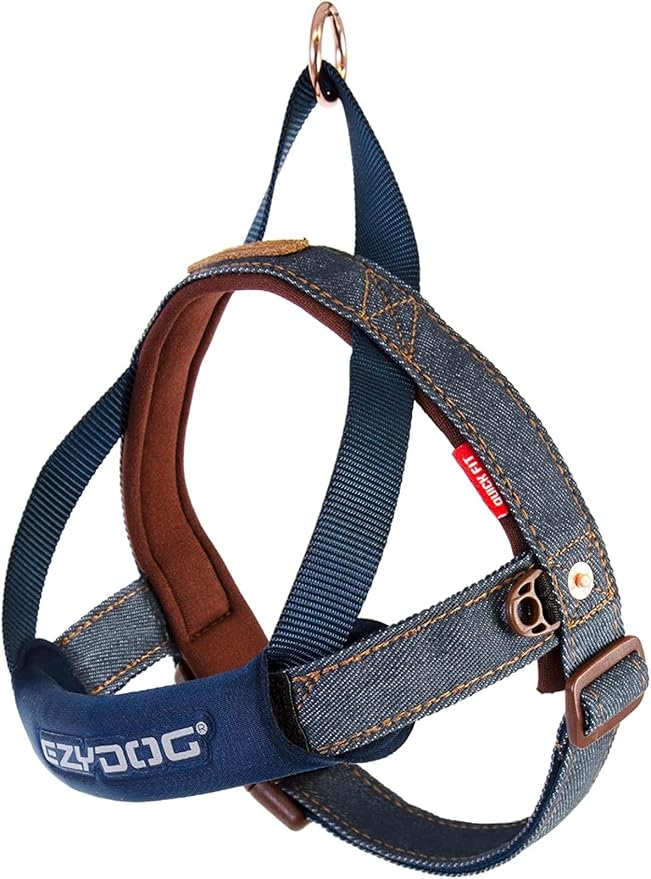
EzyDog Quick Fit Harness
Australian-designed and built for Australian conditions. Quick-release buckles (no loops to untangle), front-clip anti-pull design, neoprene-padded for heat comfort. Sized by chest girth, not breed. Excellent customer support.

Julius-K9 IDC Harness
German-engineered heavy-duty harness with dual-clip option and tool attachment loops. Built for working dogs and adventure seekers. Extremely durable webbing, multiple adjustment points, and iconic styling.
PetSafe Easy Walk No-Pull Harness
Trainer-recommended front-clip harness designed specifically for pulling reduction. Budget-friendly entry point. Two-strap design fits most shapes. Effective training tool — combine with direction change technique for best results.

Rogz Utility Multi-Purpose Harness
Durable nylon webbing with soft padded chest panel. Multiple D-ring attachment points, rust-resistant hardware, and fun colour options. Australian-friendly sizing across all breed types.
Sizing Your Harness
Measure chest girth
Wrap a tape measure around the widest part of the chest, behind the front legs. This is the key measurement — not neck size or breed.
Check the size chart
Each brand sizes differently. Always use the brand's specific size chart — don't guess based on weight or breed alone.
The two-finger rule
After buckling, slide two fingers between the harness and your dog's skin. Snug enough that two fingers just fit — not three or four.
Check for rubbing
After first walk, check armpits, chest, and anywhere the harness contacts skin. Red marks or fur wear = too tight or wrong size.
Australian Heat: Materials That Work
Introducing a Harness to Your Puppy
Let them sniff it first
Place harness on the floor. Reward any interest (sniffing, approaching). Toss treats near it. Build a positive association before it touches them.
Introduce over the head
Lure with a treat through the neck opening. Don't force or rush. Reward the moment their nose passes through.
Wear indoors first
Keep harness on for 5–10 minutes around the house. Reward and play. Don't attach a lead yet.
First walk in harness
Once comfortable wearing indoors, attach lead for a short local walk. High-value treats throughout. Most dogs adjust within a week.
Harness + Training = Results
A front-clip harness alone reduces pulling significantly, but combine it with the direction-change technique (see our pulling article) for the fastest results. The harness handles the physics; training handles the learning. Both together beat either alone.