
Is It Too Hot to Walk Your Dog? The Australian Pavement Test
Air temperature tells you almost nothing about what the footpath is doing to your dog's paws — here is the five-second test and what to do instead
Asphalt runs far hotter than the air above it in direct sun, so a mild-sounding 28°C day can still produce a footpath that burns paw pads.
The five-second test settles it: press the back of your hand flat on the surface. If you cannot hold it for five seconds, your dog should not walk on it.
Pavement stays hot for hours after sunset. Early morning is the genuinely safe window in an Australian summer, not the evening.
Affiliate Disclosure: As an Amazon Associate I earn from qualifying purchases. Product links on this page go to Amazon AU. Prices shown are approximate — check Amazon for current pricing.
- ✋Five-second hand test decides it
- 🌡️Asphalt runs far hotter than air
- 🌅Early morning beats evening
- 🐾Burns show up hours later
- 🚫Never in the back of a ute tray
- 🧴Dog sunscreen only — no zinc
There is a particular kind of guilt that arrives around four in the afternoon in January. The dog is at the door with the lead in its mouth, the forecast said 30 which honestly does not sound that bad, and you think — it will be fine, we will keep it short. The problem is that the number on your phone describes the air at about chest height in the shade. It says almost nothing about the surface your dog is about to put four bare feet on.
Dark asphalt absorbs solar radiation all day and re-radiates it. In full Australian sun it climbs well above the air temperature, and unlike you, your dog has no shoes on. Paw pads are tough, but they are skin, and skin burns.
Hand test — if you can't, they can't
How long asphalt holds heat after sunset
Delay before paw burns show clearly
The reliably safe walk window
The Five-Second Test
Forget converting temperatures. Crouch down, press the back of your hand flat against the footpath, and count. The back of the hand is used because it is far more heat-sensitive than your palm, which is calloused in roughly the way you are hoping your dog's pads are.
How to Run It
Back of the hand, flat on the surface
Not fingertips, not a quick tap. Full contact, the way a paw makes contact.
Count to five
If you have to lift off before five, the surface will burn paw pads. It is that simple and there is no arguing with it.
Test the surface you'll actually use
Dark asphalt, concrete, pavers, artificial turf and sand all behave differently. Artificial grass gets brutally hot and catches people out.
Re-test in the sun, not the shade
The shaded patch outside your gate is not representative of the exposed stretch three hundred metres along.
If it fails, move the walk
Early morning, grass routes, or skip the walk and do scent work indoors instead. A missed walk harms nothing.
Evening is not as safe as it feels
The air cools quickly after sunset but asphalt does not — it holds heat for hours and keeps radiating it. A 7pm walk on a day that hit 35 can still cook paws. Early morning, before the surface has had a day of sun on it, is the genuinely reliable window.
What a Paw Burn Looks Like
The cruel part is the delay. A dog will often walk the whole way home without obvious complaint, because they will follow you anywhere and because pad damage is not always immediately painful. The signs usually declare themselves that evening or the next morning.
| Sign | What it means |
|---|---|
| Limping or refusing to walk | Pain — often the first thing you notice |
| Licking or chewing paws constantly | Discomfort in the pads |
| Pads darker red or visibly discoloured | Early burn |
| Blisters or raised pockets on the pad | Significant burn — vet |
| Missing chunks of pad surface | Severe burn — vet same day |
| Walking oddly on grass but fine on carpet | Sore pads, not a limp from a joint |
First aid for a suspected paw burn
Get your dog off the hot surface immediately — carry them if you can. Cool the paws with cool (not iced) running water for several minutes. Do not apply ointments, butter or human burn creams. Keep them from licking. Blistered or broken pads need a vet, because they are painful, they get infected easily, and dogs will not leave them alone.
Sunburn: The Other Half of the Problem
Australia has the UV to match its heat, and dogs burn. The vulnerable spots are the bridge of the nose, the ear tips, the belly and groin where the coat is thin, and any area of pink skin. White, pale and thin-coated dogs are highest risk, and so is any dog that likes to lie on its back in the sun.
Never use human sunscreen containing zinc oxide
Zinc oxide is toxic to dogs, and dogs lick. The same applies to some salicylate-containing formulas. Use a product formulated for dogs, apply to nose, ear tips and belly, and reapply after swimming.
Gear That Makes Summer Walks Workable

Kurgo Blaze Cross Dog Shoes
The direct solution to hot ground. Boots let you walk routes you would otherwise have to abandon in summer, and they carry over to grass seed season and rough bush tracks. Introduce them indoors first — most dogs walk like a cartoon for the first ten minutes.

Musher's Secret Paw Wax
A breathable wax barrier for dogs that will not tolerate boots. It will not defeat genuinely dangerous asphalt — nothing short of boots will — but it conditions pads and helps against warm pavement, hot sand and abrasive surfaces.
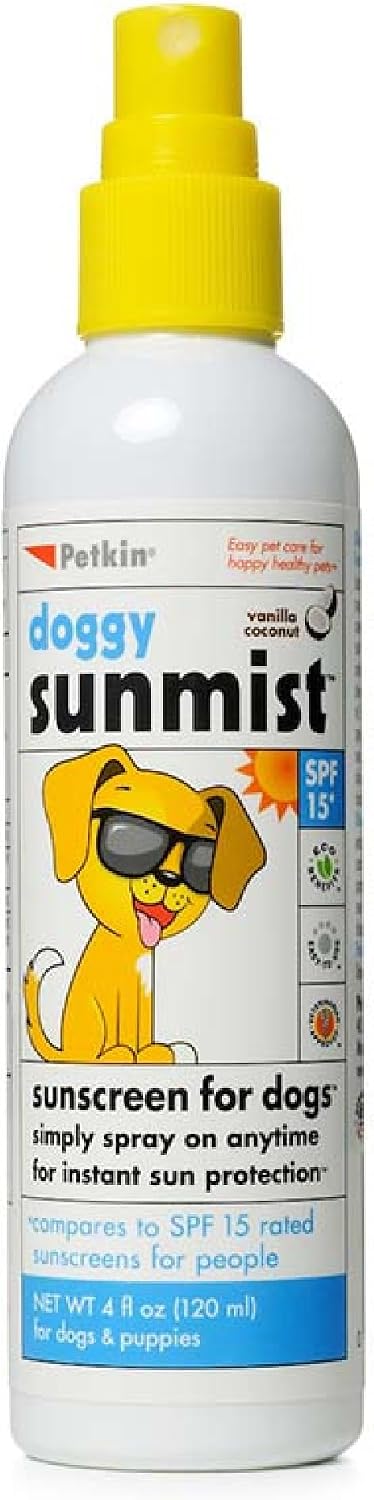
Petkin Doggy Sunmist SPF 15
Dog-formulated sun protection for noses, ear tips and thin-coated bellies. Spray format makes it quick on a wriggling dog, and it contains no zinc oxide, which is the ingredient that makes human sunscreen unsafe for dogs.

Cooling Bandana
Soak, wring and tie on. Evaporative cooling over the neck helps on an early-morning summer walk and costs almost nothing. Useful on the way to and from the beach or park rather than as a heatstroke remedy.
Summer Walk Checklist
- Do the five-second hand test before every summer walk
- Shift the main walk to early morning
- Map a grass-and-shade route for hot days
- Carry fresh water on every walk
- Check paw pads when we get home
- Introduce boots indoors before I need them
- Apply dog sunscreen to nose and ear tips
- Never leave my dog on a ute tray or in a parked car
- Have an indoor enrichment plan for days it's too hot
What to Do Instead of the Walk
Dogs need mental work more than they need distance, and a hot afternoon is a good excuse to lean on that. Ten minutes of scent work will tire a dog more thoroughly than a plodding half-hour around the block. Scatter kibble through a towel, hide treats around the lounge room, or freeze their dinner into a lick mat and let them work at it.
Ute trays and parked cars
A metal ute tray in summer sun is one of the most reliable ways to inflict severe paw burns, and it is still a common sight. The same goes for parked cars — a car interior climbs dangerously within minutes even with windows cracked and even in the shade. Neither is a short-trip exception.
Heatstroke is the bigger risk on the same day
Burnt pads hurt, but heatstroke kills. Heavy frantic panting, bright red gums, thick drool, staggering, vomiting or collapse means cool them with water immediately and get to a vet — this is an emergency, not a wait-and-see. Flat-faced breeds, overweight dogs and seniors tip over far faster than others.
One flat hand on the footpath, five seconds, before you clip the lead on. It takes less time than finding the poo bags, and it is the difference between a summer of good early-morning walks and a vet visit for something entirely preventable.
Frequently asked questions
Keep Reading

Keeping Your Dog Cool in the Australian Summer — Heatstroke Prevention Guide
Heatstroke can kill a dog in under 15 minutes. Australia's summers are brutal — here's how to keep your dog safe from November to March.

Best Dog Cooling Mats Australia 2026: Keep Your Dog Cool This Summer
Australian summers hit 40°C+. The best cooling mats, bandanas, and gear to prevent heatstroke in your dog.

15 Indoor Dog Enrichment Ideas for Winter (When You Can't Walk)
Rainy day. Cold morning. Sick dog. Here's exactly how to keep your dog's brain working without leaving the house.