Food & Nutrition
Homemade Dog Food Australia: Recipes, Safety & Vet Advice
Thinking of cooking for your dog? Here's what Australian vets say you need to know before you start.
10 min read

Affiliate Disclosure: As an Amazon Associate I earn from qualifying purchases. Product links on this page go to Amazon AU. Prices shown are approximate, check Amazon for current pricing.
Cooking for your dog feels caring and natural. But here's what vets need every homemade feeder to understand: meat, vegetables, and rice look balanced to the human eye — they're not. Without a mineral supplement, homemade diets are dangerously low in calcium. Over months, this causes nutritional secondary hyperparathyroidism: weak bones, organ damage, symptoms that appear too late to fully reverse.
Pros & Cons: The Honest Assessment
Full ingredient control — you know exactly what's in it
- Cons
- Takes 1–2 hours weekly to prepare
Only real solution for dogs with multiple severe allergies
- Cons
- Costs $5–12/day — more than quality kibble
No mystery additives or preservatives
- Cons
- Requires mineral supplement every single meal
Some dogs digest fresh food better than processed kibble
- Cons
- 95% of recipes are nutritionally incomplete
Emotionally satisfying for owners
- Cons
- Vet nutritionist oversight strongly recommended ($200–400)
| Pros | Cons |
|---|---|
| Full ingredient control — you know exactly what's in it | Takes 1–2 hours weekly to prepare |
| Only real solution for dogs with multiple severe allergies | Costs $5–12/day — more than quality kibble |
| No mystery additives or preservatives | Requires mineral supplement every single meal |
| Some dogs digest fresh food better than processed kibble | 95% of recipes are nutritionally incomplete |
| Emotionally satisfying for owners | Vet nutritionist oversight strongly recommended ($200–400) |
The Non-Negotiable: Mineral Supplement Every Meal

Vet Recommended
Balance IT Supplement for Homemade Dog Food
The gold standard for homemade diets — provides calcium, phosphorus, vitamin D, and all essential vitamins missing from home-cooked meat and vegetables. Sprinkle on every meal, measured by your dog's weight.
- Complete calcium and mineral profile
- Palatable — most dogs accept readily
- ~$30–40/month for medium dog
- Used by veterinary nutritionists
The Safe Base Recipe: 50-25-25 Formula
This formula works for healthy adult dogs (not puppies, not seniors — they need different ratios). One batch serves a 20–25 kg adult dog for one meal.
Lean cooked meat (50%)
- Amount (25 kg dog)
- 250 g
- Safe options
- Chicken breast, beef mince, lamb, turkey
- Avoid
- Skin, excess fat, seasoning, bones
Cooked carbohydrate (25%)
- Amount (25 kg dog)
- 125 g
- Safe options
- Brown rice, sweet potato, white rice, oats
- Avoid
- Onion, garlic, heavily seasoned grains
Cooked vegetables (25%)
- Amount (25 kg dog)
- 125 g
- Safe options
- Broccoli, carrots, pumpkin, green beans
- Avoid
- Grapes, sultanas, avocado, corn cobs
Mineral supplement
- Amount (25 kg dog)
- Per packet instructions
- Safe options
- Balance IT — amount based on dog's weight
- Avoid
- Never skip — not optional
Fish oil (optional)
- Amount (25 kg dog)
- ½ teaspoon
- Safe options
- Dog-specific omega-3 supplement
- Avoid
- Human fish oil capsules — too strong
| Component | Amount (25 kg dog) | Safe options | Avoid |
|---|---|---|---|
| Lean cooked meat (50%) | 250 g | Chicken breast, beef mince, lamb, turkey | Skin, excess fat, seasoning, bones |
| Cooked carbohydrate (25%) | 125 g | Brown rice, sweet potato, white rice, oats | Onion, garlic, heavily seasoned grains |
| Cooked vegetables (25%) | 125 g | Broccoli, carrots, pumpkin, green beans | Grapes, sultanas, avocado, corn cobs |
| Mineral supplement | Per packet instructions | Balance IT — amount based on dog's weight | Never skip — not optional |
| Fish oil (optional) | ½ teaspoon | Dog-specific omega-3 supplement | Human fish oil capsules — too strong |
Prep once per week — takes about 90 minutes
- 1
Cook everything separately, without seasoning
Boil or bake the protein — no salt, oil, or spices. Cook carbs (rice, sweet potato) separately. Steam or boil vegetables until soft. Let everything cool to room temperature before combining.
- 2
Mix portions and add supplement
Combine protein, carbs, and vegetables in the 50-25-25 ratio. Measure the Balance IT supplement according to your dog's weight on the packet instructions. Mix thoroughly. Add fish oil last if using.
- 3
Portion and store
Divide into individual meal portions. Refrigerate for up to 3 days. Freeze the rest for up to 3 months. Thaw in the fridge the night before — never thaw at room temperature. Label containers with date and contents.
Safe Foods vs. Foods to Avoid Completely
Chicken breast, beef mince, lamb, turkey
- Never include
- Chocolate, grapes, raisins, sultanas
Brown rice, sweet potato, white rice, oats
- Never include
- Onion, garlic, leek, chives (all allium family)
Broccoli, carrots, pumpkin, green beans
- Never include
- Avocado (flesh and skin), macadamia nuts
Apples (no seeds), bananas, blueberries
- Never include
- Cooked bones (splinter risk — intestinal perforation)
Eggs (cooked without oil or butter)
- Never include
- Alcohol, caffeine, nutmeg, xylitol
| Safe to include | Never include |
|---|---|
| Chicken breast, beef mince, lamb, turkey | Chocolate, grapes, raisins, sultanas |
| Brown rice, sweet potato, white rice, oats | Onion, garlic, leek, chives (all allium family) |
| Broccoli, carrots, pumpkin, green beans | Avocado (flesh and skin), macadamia nuts |
| Apples (no seeds), bananas, blueberries | Cooked bones (splinter risk — intestinal perforation) |
| Eggs (cooked without oil or butter) | Alcohol, caffeine, nutmeg, xylitol |
Real Cost Comparison
Premium kibble (Royal Canin, Hill's)
- Cost per day (25 kg dog)
- $3–5
- Weekly prep time
- 5 mins (bag storage)
- Complexity
- Very low
Mid-range kibble (Advance, Black Hawk)
- Cost per day (25 kg dog)
- $2–3
- Weekly prep time
- 5 mins (bag storage)
- Complexity
- Very low
Homemade + supplement
- Cost per day (25 kg dog)
- $5–12
- Weekly prep time
- 90 mins (cooking + containers)
- Complexity
- High
Commercial raw (Big Dog BARF)
- Cost per day (25 kg dog)
- $3–4
- Weekly prep time
- 15 mins (thawing)
- Complexity
- Low–medium
| Option | Cost per day (25 kg dog) | Weekly prep time | Complexity |
|---|---|---|---|
| Premium kibble (Royal Canin, Hill's) | $3–5 | 5 mins (bag storage) | Very low |
| Mid-range kibble (Advance, Black Hawk) | $2–3 | 5 mins (bag storage) | Very low |
| Homemade + supplement | $5–12 | 90 mins (cooking + containers) | High |
| Commercial raw (Big Dog BARF) | $3–4 | 15 mins (thawing) | Low–medium |

Airtight Food Storage Containers (Set of 4)
BPA-free containers for portioning and freezing homemade meals. Stackable, clearly labelable, and freezer-safe. Weekly batch prep fits neatly in a standard fridge.
- Airtight seal
- Freezer-safe
- Stackable design
- Easy to label with dates
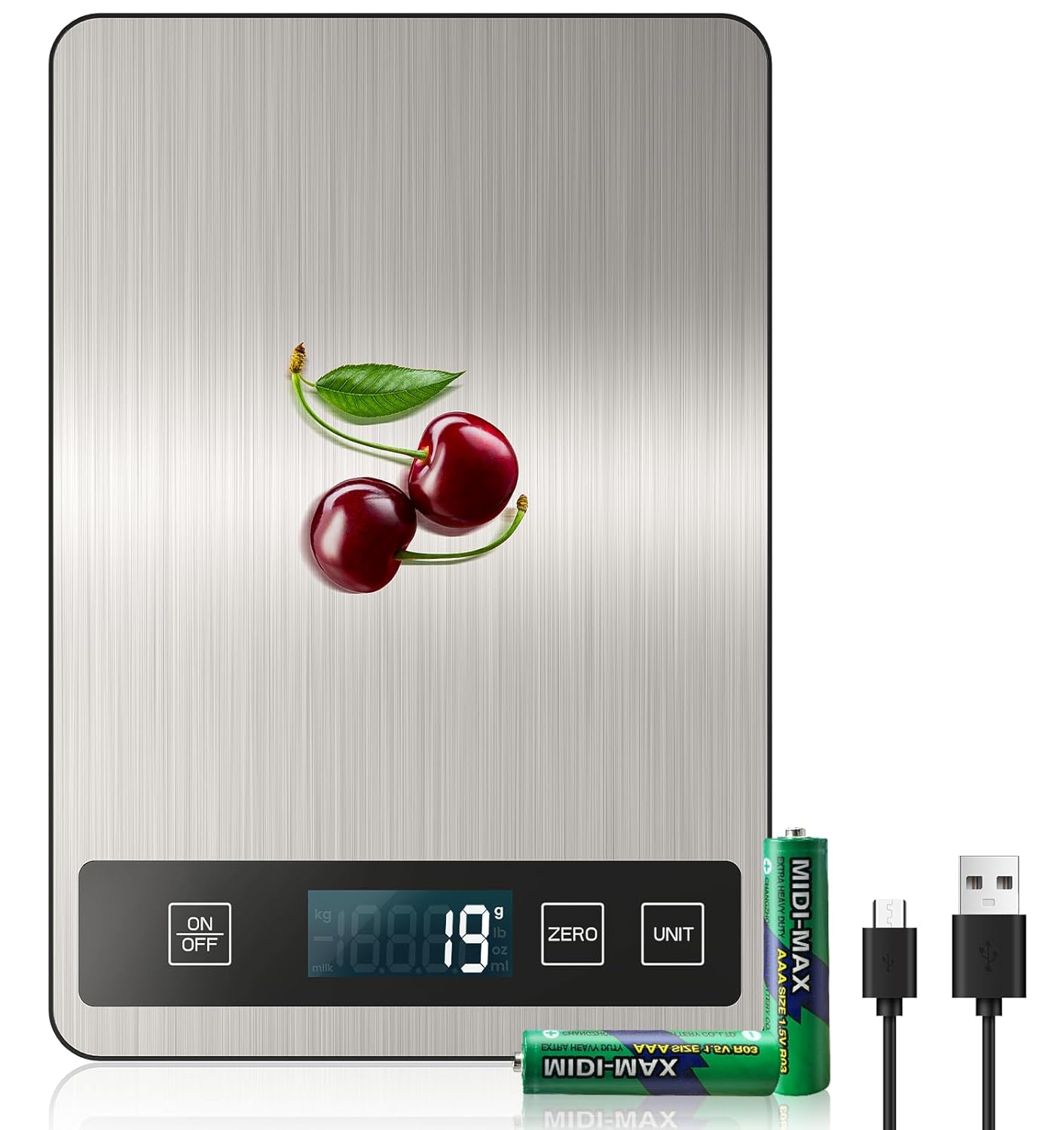
Digital Kitchen Scale
Accurate to 1 gram — essential for portioning ingredients and measuring supplement precisely. Consistency prevents overfeeding and ensures the supplement dose is correct.
- 1g accuracy
- Tare function for bowls
- Stainless steel platform
- Battery-powered
When Homemade Feeding Actually Makes Sense
- ✅ Multiple severe food allergies
- Dog reacts to all commercial foods including hydrolysed protein diets — homemade is the only way to fully control ingredients
- ✅ Specific medical dietary requirements
- Vet-prescribed dietary management of disease (kidney disease, pancreatitis, IBD) sometimes requires homemade formulas
- ✅ You're committed to vet oversight
- Blood testing every 6–12 months, vet nutritionist formulated recipe, never cutting corners with supplement
- ❌ "It feels more natural"
- Emotional justification — a quality kibble is nutritionally equivalent, safer, and significantly less time and money
- ❌ "My dog seems better on it"
- Your dog may be responding to any food improvement from a poor-quality diet — premium kibble would likely give the same result
Common questions
Can I feed a mix of kibble and homemade food?
Yes — this is actually the safest middle ground. Feed 60–70% quality kibble and add 30–40% home-cooked food as a topper. The kibble ensures nutritional completeness; the fresh food adds variety and digestibility. You don't need a mineral supplement because the kibble covers it. This is a great option if you want to cook for your dog without the full complexity.
What if my dog refuses the mineral supplement?
Try mixing it into warm bone broth, salmon oil, or wet food first. Some dogs accept it better when it's well hidden. If your dog refuses any supplement, you cannot safely feed 100% homemade food without it. The only safe alternative is to feed kibble as the base with fresh food as a supplement. Don't skip it — deficiency damage is slow and invisible until serious.
How do I know if the homemade diet is working?
Monitor body condition monthly — weight stable, coat shiny, energy normal. Blood work every 6–12 months can catch deficiencies before they cause lasting damage. Annual vet checks for bones and muscle mass. If you see weight loss, dry coat, lethargy, or lameness, stop homemade immediately and consult your vet.
Can puppies eat the same recipe as adults?
No. Puppies need 25%+ protein and different calcium:phosphorus ratios for bone growth. An adult recipe fed to a puppy for months causes skeletal development problems. A vet nutritionist must formulate a separate puppy recipe. This is not optional — the consequences of getting it wrong are irreversible.
Is raw or cooked homemade food safer?
Cooked homemade food is safer. Cooking kills pathogens and makes some nutrients more bioavailable. Raw homemade adds bacterial contamination risk on top of the existing nutritional balance challenge. If you want to feed raw, use a commercial brand (Big Dog BARF, Proudi) rather than sourcing and preparing it yourself.
Is there a veterinary nutritionist near me in Australia?
The Australian Veterinary Medical Association register lists board-certified veterinary nutritionists. Many now work via telehealth consultations and can create tailored recipes remotely — you don't need to be in the same city. Ask your regular vet for a referral, or search "board-certified veterinary nutritionist Australia".