
Best Dog Food for Sensitive Stomachs in Australia — Vet Guide
Chronic vomiting, loose stools, or skin issues often trace back to food. Here's how to identify the problem and what to feed.
True food allergies are rare (3–5% of dogs); food sensitivities are far more common and caused by ingredient intolerance or poor-quality protein
Elimination diets take 8–12 weeks; hydrolysed protein foods shortcut this by breaking down proteins the immune system can't recognise
Australian vets recommend Hill's Science Diet, Royal Canin Hypoallergenic, and PAW DigestiCare — avoid grocery brands with fillers
Affiliate Disclosure: As an Amazon Associate I earn from qualifying purchases. Product links on this page go to Amazon AU. Prices shown are approximate — check Amazon for current pricing.
- 🤢True food allergies: only 3–5% of dogs
- 🍗Chicken most common sensitivity trigger
- 📅Elimination diet: 8–12 weeks minimum
- 🧬Hydrolysed protein: results in 4–6 weeks
- 🐾Transition food over 10 days to avoid upset
Your dog vomits after meals, has permanent loose stools, or scratches constantly despite no obvious allergies. Every owner's first instinct is "food allergy" — but true allergies are rare. Food sensitivity is far more common and far more treatable. The right diet fix can take a dog from miserable to thriving within weeks.
of dogs have true food allergies — most digestive issues are food sensitivities instead
minimum time for an elimination diet to confirm or rule out food sensitivity
time for hydrolysed protein food to produce noticeable improvement
Sensitive Stomach vs. True Food Allergy — Know the Difference
| Feature | Food sensitivity | True food allergy |
|---|---|---|
| Prevalence | Common — most digestive issues | Rare — 3–5% of dogs |
| Mechanism | Digestive intolerance to ingredient | Immune response to protein |
| Main symptoms | Vomiting, loose stools, gas, gurgling gut | Itching, red skin, ear infections |
| Seasonal? | No — constant when eating trigger food | No (unless environmental allergy overlap) |
| Can vomiting occur? | Yes — primary symptom | Yes — secondary to immune response |
| Diagnosis method | Diet trial (eliminate suspected food) | Strict elimination diet or allergen testing |
See a vet if symptoms are severe
Vomiting more than once weekly, blood in stools, or rapid weight loss are not just "sensitivity" — they can indicate pancreatitis, inflammatory bowel disease (IBD), or intestinal parasites. Get a diagnosis before trying dietary fixes.
Common Trigger Ingredients
The Elimination Diet — Gold Standard Method
Takes patience — 8 to 12 weeks minimum — but gives a definitive answer
Choose a novel protein and carbohydrate
Pick a protein your dog has never eaten before: kangaroo, venison, duck, rabbit. Pair with a new carb: sweet potato, tapioca, or pumpkin. Zero crossover with current diet. Common novel combos: kangaroo + sweet potato, duck + pea, rabbit + brown rice.
Eliminate ALL other food sources
No treats. No table scraps. No flavoured medications (use plain). Even a tiny amount of the old food can reset the immune system clock and require starting over. This is the hardest part — tell every family member and stick to it completely.
Feed for 8–12 weeks and observe
Log symptoms weekly: stool consistency, vomiting frequency, itching severity. Most dogs show improvement within 4–6 weeks if food was the cause. If no improvement after 12 weeks, food is unlikely the primary cause — consult your vet for further diagnostics.
Reintroduce foods one at a time
Once symptoms resolve, reintroduce old foods one at a time — wait 2 weeks between each addition. If symptoms return after a specific food, that's your trigger. Now you know what to avoid permanently.
Hydrolysed Protein Foods — The Faster Option
Hydrolysed proteins are broken into such small molecules that the immune system cannot recognise or react to them. This bypasses the need for a novel protein and typically produces results in 4–6 weeks rather than 8–12. Best suited for dogs with suspected allergies or dogs that have been on so many proteins it's hard to find a truly novel one.
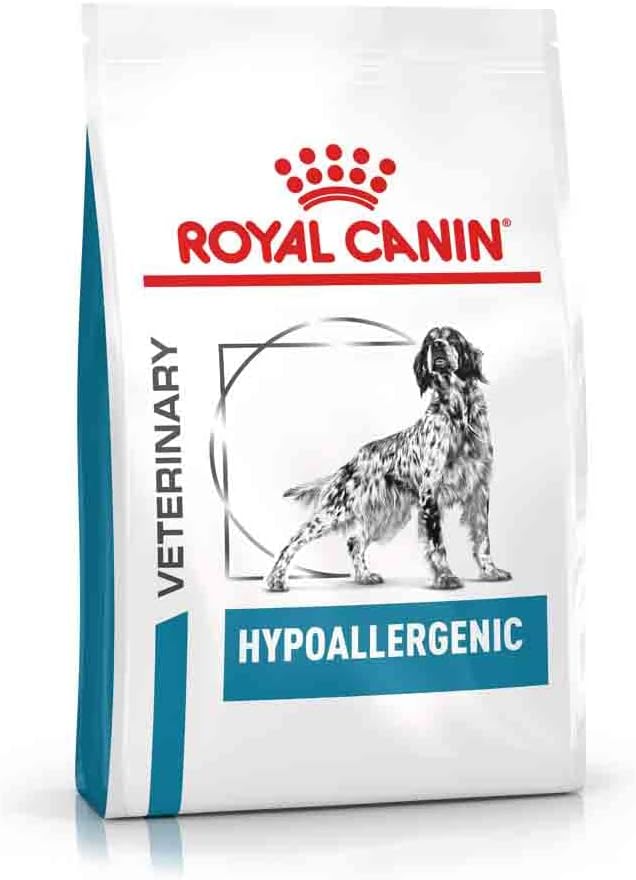
Royal Canin Hypoallergenic Dry
Veterinary-grade hydrolysed protein formula for dogs with food allergies and chronic sensitivities. Works for most dogs within 4–6 weeks. Available through vets and Pet Circle.
Best Foods for Sensitive Stomachs in Australia
Hill's Science Diet Sensitive Stomach & Skin
Prebiotic fibre and highly digestible ingredients for dogs with chronic digestive issues. High-quality chicken with easily digestible rice and omega-3s for the skin-gut connection. Widely available at Australian vet clinics.

Canidae PURE Limited Ingredient Diet
Single protein source (duck, venison, or lamb) with minimal ingredients — no chicken by-products, no artificial additives. Grain-inclusive option available. Good choice for dogs who've reacted to multiple standard foods.

PAW DigestiCare Probiotic
Multi-strain probiotic powder that restores gut flora disrupted by food changes, antibiotics, or chronic sensitivity. Add to food daily. Reduces loose stools and gut gurgling within 2–3 weeks.