
Dog Water Safety: Pools, Beaches and Rivers in Australia
Not every dog can swim, most pool drownings are exit failures, and the water that looks calmest is often the one that kills — a practical summer guide
Dogs drown in backyard pools because they cannot find the exit, not because they cannot swim. Teach the way out before anything else.
Blue-green algae blooms in warm stagnant water and can kill a dog within hours. If the water looks like pea soup or spilled paint, keep your dog out of it.
Bulldogs, Pugs, Frenchies, Corgis and Greyhounds are poor swimmers by build. For them a life jacket is equipment, not an accessory.
Affiliate Disclosure: As an Amazon Associate I earn from qualifying purchases. Product links on this page go to Amazon AU. Prices shown are approximate — check Amazon for current pricing.
- 🏊Not all breeds can swim
- 🪜Pool exits matter more than pool fences
- 🦠Blue-green algae can kill within hours
- 🌊Salt water causes vomiting and worse
- 👂Rinse and dry ears after every swim
- 🐍Snakes gather near water in summer
Every Australian summer produces the same two conversations. The first is someone surprised their dog could not swim. The second is someone whose dog swam beautifully for twenty minutes, got tired, and then could not work out how to get out of the pool. Both are avoidable, and neither is about swimming ability.
Water is genuinely one of the best things about summer with a dog — it cools them without the heatstroke risk of a hot walk, it burns energy fast, and most dogs love it. The point of this guide is not to keep your dog out of the water. It is to remove the handful of things that turn a good afternoon into an emergency.
Time to teach a pool exit
How fast blue-green algae can kill
Minutes a dog should swim unsupervised
Breeds groups that struggle to float
The Myth That All Dogs Can Swim
Dogs will paddle instinctively when they hit water. That is not the same as being able to swim, and it is definitely not the same as being able to stay afloat for more than a minute or two. Body shape decides the outcome, and several popular breeds are built badly for it.
| Build | Examples | In the water |
|---|---|---|
| Deep chest, short legs | Bulldog, French Bulldog, Corgi, Dachshund | Front-heavy, nose drops below the surface |
| Flat face (brachycephalic) | Pug, Bulldog, Boxer, Shih Tzu | Must tilt head up to breathe, tires fast |
| Low body fat, dense muscle | Greyhound, Whippet, Staffy | Poor buoyancy, sinks rather than floats |
| Built for water | Labrador, Golden Retriever, Poodle, Spaniels | Strong swimmers, still need an exit route |
A flat-faced dog in water is working much harder than it looks
Brachycephalic breeds have to hold their head at an angle just to keep their nostrils clear, which burns energy and makes swallowing water far more likely. A Frenchie that looks like it is enjoying a paddle can be minutes from exhaustion. For these dogs, a life jacket is not optional equipment.
Backyard Pools: It Is About the Exit
This is the single most useful thing in this article. Dogs that get into trouble in home pools are very often competent swimmers. What happens is they fall or jump in, swim to the edge, and find a smooth coping they cannot climb. They then swim the perimeter looking for a way out, tire, and go under. A dog that knows where the steps are does not have this problem.
Teach the Pool Exit
Pick one exit and make it obvious
Steps, a ledge or a dog ramp. Mark it with something visually distinct your dog can spot from water level — a bright mat or a potted plant at that corner.
Put a life jacket on for training
It keeps the head clear while your dog is still working things out, which keeps the lesson calm instead of panicky.
Walk them to it from in the water
Get in with them. From the middle of the pool, guide them to the exit and let them climb out themselves. Do not lift them out.
Repeat from every corner
Start them from each side of the pool so they learn to find the exit from anywhere, not just from the spot you always begin at.
Test it cold
Weeks later, pop them in near the far end and watch. If they track straight to the steps, they have it. If they hesitate, run it again.
Pool fencing is for toddlers, not dogs
Pool fences are designed around child-height latches and gaps. Plenty of dogs go over, under or through them, and many households leave the gate propped in summer anyway. Treat the exit training as your actual safety layer, not the fence.

Outward Hound Granby Splash Life Jacket
Buoyancy under the chest and a grab handle across the back, which is the part that matters — it lets you lift a panicking dog out of water in one motion. Essential for poor-swimming breeds, boats and any river with current.
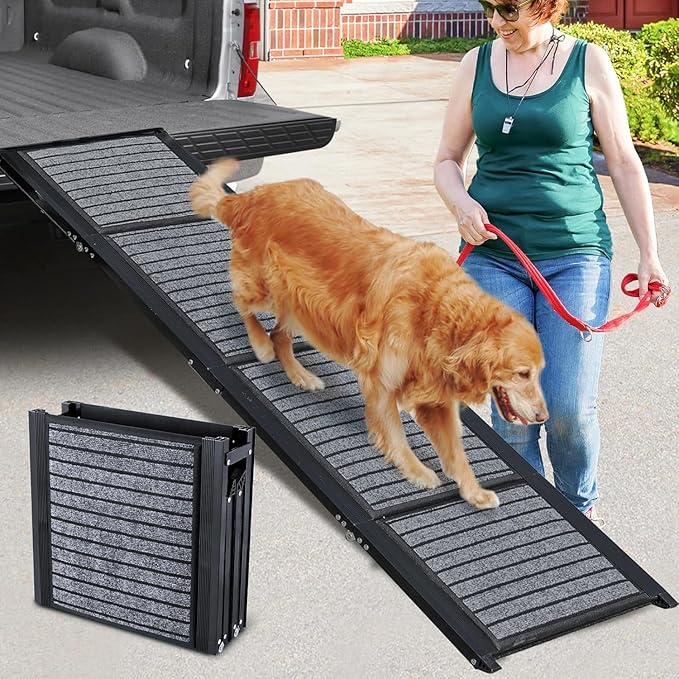
Kazoo Dog Ramp
A non-slip ramp into the shallow end gives an older or short-legged dog an exit they can actually use. Steps are hard work for arthritic dogs and nearly impossible for a dachshund-shaped one.
Rivers, Dams and Still Water: Blue-Green Algae
Warm weather plus still, nutrient-rich water produces cyanobacteria blooms, and they turn up in farm dams, slow rivers, lakes and ornamental ponds across Australia every summer. Some blooms produce toxins that attack the liver or the nervous system, and dogs are especially exposed because they swim in it and then lick it off their coat.
If the water looks like pea soup, spilled paint or has a blue-green scum, keep your dog out
Signs of poisoning can appear within fifteen minutes to a few hours: vomiting, diarrhoea, drooling, weakness, tremors, collapse, seizures. There is no antidote, and treatment is supportive and urgent. If your dog has swum in suspect water, rinse them immediately so they cannot groom the toxin off, and ring a vet straight away rather than waiting for symptoms.
Beaches: Salt, Stingers and Fresh Water
The beach hazard people underestimate is the water itself. Dogs that spend an afternoon chasing balls into the surf swallow a surprising volume of salt water, and that causes vomiting, diarrhoea and dehydration. In serious cases it produces salt toxicity, with tremors and disorientation. The fix is almost comically simple: bring fresh drinking water and offer it constantly, so they are not drinking the ocean out of thirst.
| Beach hazard | What to do |
|---|---|
| Swallowing salt water | Offer fresh water every 15 minutes, limit fetch-into-surf sessions |
| Rips and currents | Keep dogs in the shallows; a ball thrown too far pulls them into a rip |
| Jellyfish and stingers | Check local warnings, especially far north QLD and northern WA in summer |
| Hot sand | Same rule as pavement — test with your hand before letting them run |
| Fish hooks and glass | Check paws afterwards, carry a first aid kit |
| Sunburn | Pale dogs and thin-coated bellies burn; use dog-safe sunscreen |
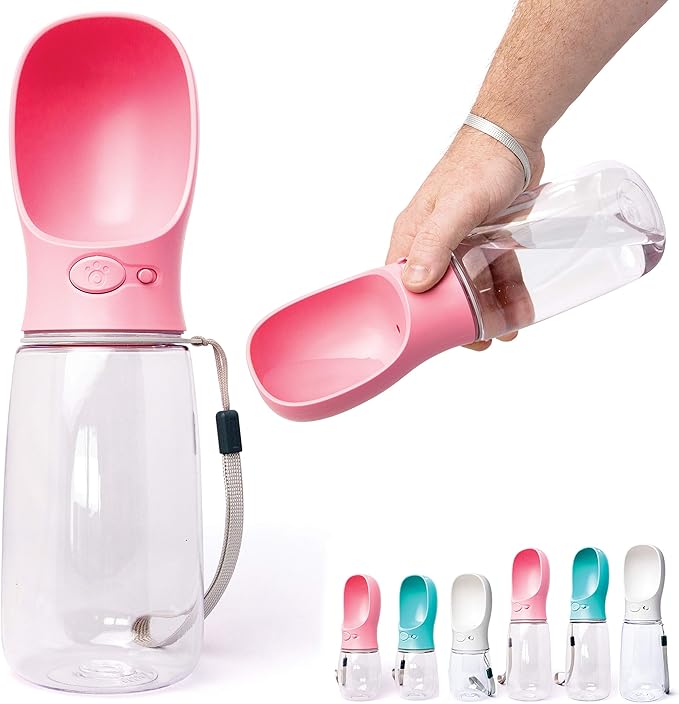
Portable Dog Water Bottle
The thing that prevents the most common beach problem. A dog with fresh water in front of it drinks far less sea water, which heads off the vomiting and dehydration that ruins the evening after a good beach day.
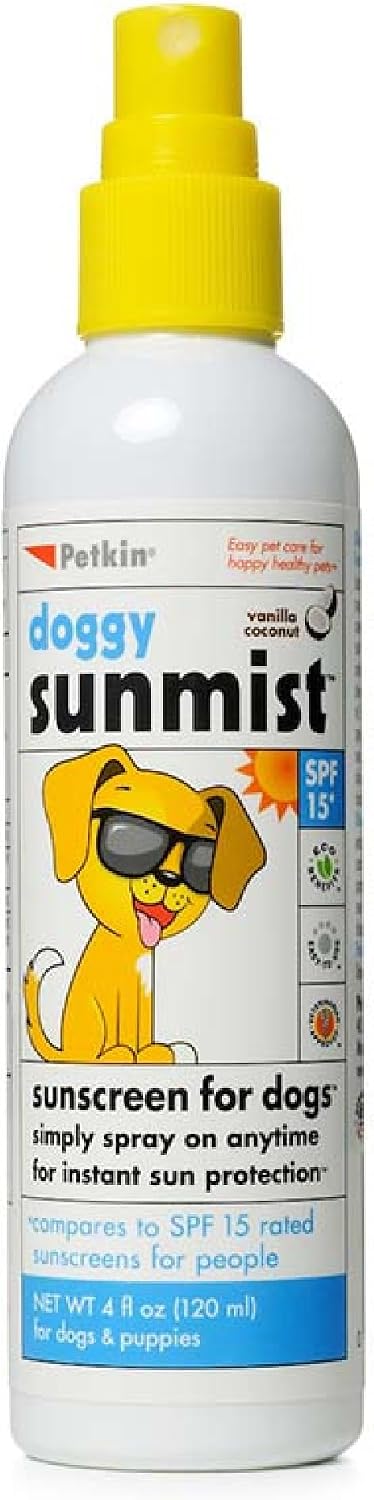
Petkin Doggy Sunmist SPF 15
Dog-formulated sunscreen for noses, ear tips and thin-coated bellies — the spots that burn on the water where glare reflects upward. Never use human zinc-based sunscreen, which is toxic to dogs if licked.
Summer Water Safety Checklist
- Test whether my dog can actually swim, in shallow water first
- Teach the pool exit from all four sides
- Buy a life jacket if my dog is a poor-swimming breed
- Never leave my dog near water unsupervised
- Pack fresh drinking water for every beach trip
- Check dams and rivers for algae scum before letting them in
- Rinse salt and chlorine off after every swim
- Dry ears properly to prevent ear infections
- Check paws for cuts, hooks and glass afterwards
After the Swim
Two minutes of aftercare prevents the most common post-swim vet visit, which is an ear infection. Water trapped in a warm ear canal is close to an ideal bacterial incubator, and floppy-eared breeds are worst affected. Rinse the coat with fresh water to get salt or chlorine off, then dry the ears gently with a soft towel or cotton wool — never push anything down the canal.
Watch for these in the 24 hours after a swim
Repeated vomiting or diarrhoea. Coughing or laboured breathing, which can indicate inhaled water. Head shaking or scratching at an ear. Unusual lethargy, weakness or wobbliness. Any of these after swimming in a dam, river or lake should be treated as urgent.
Snakes are near water for the same reason your dog is
Dams, creek edges and river banks are prime snake habitat through the Australian summer, and long grass along the bank is where dogs nose about while they dry off. Keep them on the open ground and out of the reeds.
Teach the exit, respect still water, bring fresh water to the beach, and never leave them to it unwatched. Those four habits cover nearly every water incident that ends badly, and none of them cost you a single minute of your dog enjoying the best part of an Australian summer.
Frequently asked questions
Keep Reading

Keeping Your Dog Cool in the Australian Summer — Heatstroke Prevention Guide
Heatstroke can kill a dog in under 15 minutes. Australia's summers are brutal — here's how to keep your dog safe from November to March.

Dog Snake Bite Australia: Signs, First Aid & What To Do
Snakes kill thousands of Australian dogs each year. Know the signs, act fast, and give your dog the best chance.

Dog Ear Infections: Causes, Treatment & Prevention in Australia
Ear infections are one of the most common vet visits in Australia. Here's how to spot, treat, and prevent them before they become serious.