
Senior Dog Care in Australia — Everything Changes After Age 7
From joint pain to cognitive changes, older dogs need a different kind of care. The Australian owner's guide to ageing gracefully with your dog.
Dogs age faster than humans — large breeds are "senior" at 5–6 years, small breeds at 9–10 years
Joint pain, cognitive decline, and incontinence are normal parts of ageing; all are manageable with the right setup
Orthopaedic bedding, ramps, raised bowls, and twice-yearly vet checks transform a senior dog's quality of life
Affiliate Disclosure: As an Amazon Associate I earn from qualifying purchases. Product links on this page go to Amazon AU. Prices shown are approximate — check Amazon for current pricing.
- 🐾Large breeds: senior at 5–6
- 🐩Small breeds: senior at 9–10
- 🩺Vet check every 6 months
- 🛏️Orthopaedic bed is essential
- 🏃3 × 10 min beats 1 × 30 min
The greying muzzle. The stiff morning walks. The occasional accident indoors. These aren't failures — they're signs your dog has lived a good life. But senior care is genuinely different, and what worked at age 3 can actively harm a dog at age 9.
of dogs over age 7 have some degree of osteoarthritis in Australia
of senior dogs develop Cognitive Dysfunction Syndrome (doggy dementia)
more frequent vet visits needed once your dog reaches senior age
When Does Your Dog Become "Senior"?
| Breed size | Adult weight | Senior age | Example breeds |
|---|---|---|---|
| Small | Under 10 kg | 9–10 years | Chihuahua, Maltese, Toy Poodle |
| Medium | 10–25 kg | 7–8 years | Cavoodle, Cocker Spaniel, Whippet |
| Large | 25–45 kg | 5–7 years | Labrador, German Shepherd, Staffy |
| Giant | 45 kg+ | 4–5 years | Great Dane, Mastiff, Saint Bernard |
Genetics, not activity level, determines ageing speed
A 6-year-old Labrador's organs are ageing like a 10-year-old human's. Schedule vet checks every 6 months from age 5 for large breeds — earlier detection of kidney, heart, and joint issues dramatically improves outcomes.
The 4 Major Physical Changes
1. Joint Pain & Arthritis
Cartilage wears down; bones ache, especially after rest or in cold weather. Early signs are easy to miss.

PaWz Orthopedic Dog Bed
Memory foam specifically designed for arthritic joints. Distributes weight evenly to relieve pressure points. Thermal retention is critical for seniors who feel cold more easily.
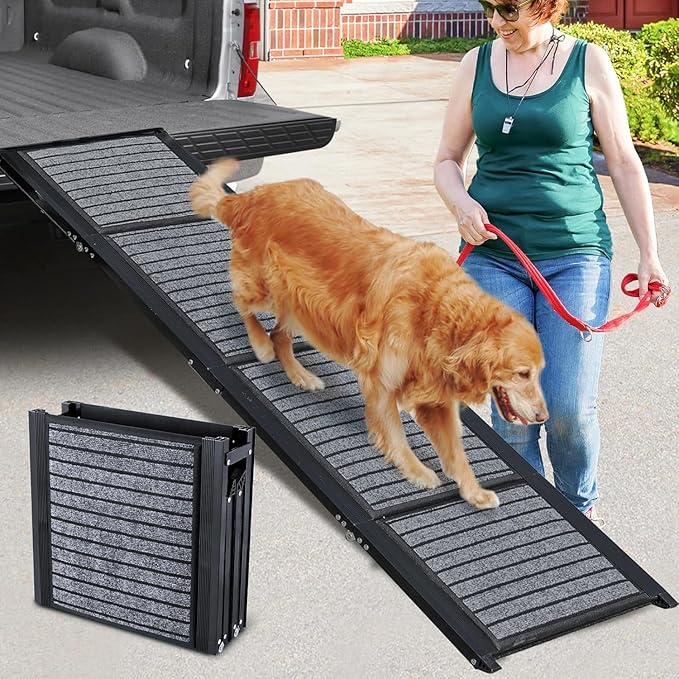
Kazoo Portable Dog Ramp
Lightweight foldable ramp for cars, beds, and stairs. Eliminates the jumping that damages arthritic joints. Critical for large senior dogs whose owners still need to transport them.

Blackmores PAW OstoCare Plus
Veterinary-strength glucosamine and chondroitin for joint support. Most effective when combined with weight management and gentle exercise. Australian-made.
2. Incontinence & Toileting Changes
This is medical, not behavioural — never punish it
Bladder muscles weaken with age. Your senior dog isn't regressing or being spiteful. Increased accidents can also signal UTIs or kidney disease — mention them to your vet. There are safe, effective medication options.
3. Cognitive Decline (Doggy Dementia)
Cognitive Dysfunction Syndrome (CDS) affects 28% of senior dogs. It's degenerative but manageable.
Slow decline with routine + mental stimulation
Dogs with CDS feel safest in predictable schedules. Night lights reduce nighttime disorientation. Puzzle toys and scent games maintain neural pathways. Supplements (SAMe, ginkgo) and prescription medications can help — discuss with your vet.
4. Sensory Loss
Senior Nutrition — What Changes at Age 7+
| Nutrient | Change needed | Why |
|---|---|---|
| Calories | Reduce by 20–30% | Metabolism slows — obesity worsens arthritis |
| Protein | Increase (30%+ dry matter) | Maintains muscle mass as metabolism slows |
| Phosphorus | Reduce for kidney health | Kidneys process less efficiently with age |
| Omega-3s | Increase (joint + brain) | Anti-inflammatory for arthritis and CDS |
| Fibre | Increase slightly | Digestion slows; constipation becomes common |
Hill's Science Diet Senior 7+
Vet-standard senior formula with reduced calories, higher protein, and added glucosamine and chondroitin. Formulated specifically for ageing organs. Available at every Australian vet clinic.
Senior-Proofing Your Home

Raised Elevated Dog Feeding Bowl
Brings food and water to mouth level, reducing neck and spine strain for arthritic dogs. Particularly helpful for large breeds with neck arthritis or megaoesophagus.
Exercise for Senior Dogs
Vet Check Schedule for Senior Dogs
| Age | Check-up frequency | Key tests |
|---|---|---|
| 7–9 years | Every 6 months | Blood panel, urinalysis, blood pressure, weight |
| 10–12 years | Every 3–4 months | All above + thyroid, cardiac evaluation |
| 12+ years | Every 2–3 months | All above + quality of life discussion |
End-of-life planning
Have an honest conversation with your vet about quality of life. If good days are outnumbered by bad days, or pain is unmanageable despite medication, euthanasia may be the kindest choice. Many Australian vets offer home euthanasia — peaceful, familiar, and dignified. Ask your vet.